How does the carob tree fit into the local ecosystem of Mallorca?
Similar Topics
carob tree
Mallorca ecosystem
algarrobo
Mediterranean climate
local agriculture
sustainable food
Mallorcan cuisine
cultural heritage
eco tourism Mallorca
wildlife support
The carob tree, known locally as "algarrobo," plays a significant role in the ecosystem of Mallorca, contributing to both the environment and local agriculture. These trees thrive in the island's Mediterranean climate, with their hardy nature allowing them to adapt to rocky soils and drought conditions. Their deep roots help prevent soil erosion, making them vital for maintaining the integrity of the landscape, especially in hilly areas where heavy rains can lead to runoff. Carob trees also provide shade, creating a microhabitat that supports various forms of wildlife, including birds and insects, which in turn promote pollination and seed dispersal.
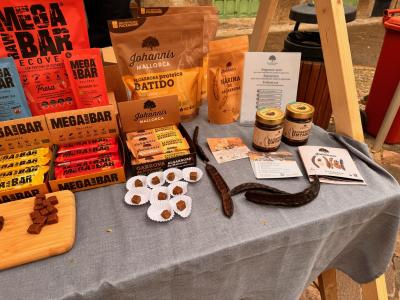
Beyond their ecological importance, carob trees are also valued by local farmers and communities. The pods of the carob tree are edible and can be processed into flour or syrup, making them a popular ingredient in traditional Mallorcan cuisine. This not only offers a sustainable food source but also supports local agriculture and small businesses that produce carob-based products. Additionally, the trees contribute to the island’s cultural heritage, with many locals cherishing the sweet, chocolate-like flavor of carob and its use in various dishes, desserts, and even beverages.
In summary, the carob tree is more than just a part of Mallorca’s picturesque landscape; it is a keystone species that supports the local ecosystem and economy. Its resilience and adaptability make it an essential component of the island's natural beauty, while its cultural significance continues to enrich the lives of those who call Mallorca home. Whether you’re exploring the countryside or visiting a local market, the presence of the carob tree serves as a reminder of the deep connection between nature and the traditions of the island.
Beyond their ecological importance, carob trees are also valued by local farmers and communities. The pods of the carob tree are edible and can be processed into flour or syrup, making them a popular ingredient in traditional Mallorcan cuisine. This not only offers a sustainable food source but also supports local agriculture and small businesses that produce carob-based products. Additionally, the trees contribute to the island’s cultural heritage, with many locals cherishing the sweet, chocolate-like flavor of carob and its use in various dishes, desserts, and even beverages.
In summary, the carob tree is more than just a part of Mallorca’s picturesque landscape; it is a keystone species that supports the local ecosystem and economy. Its resilience and adaptability make it an essential component of the island's natural beauty, while its cultural significance continues to enrich the lives of those who call Mallorca home. Whether you’re exploring the countryside or visiting a local market, the presence of the carob tree serves as a reminder of the deep connection between nature and the traditions of the island.
Porreres
More Fotos