How important is seafood in the gastronomy of Mallorca's coastal towns?
Similar Topics
mallorca seafood
mallorca cuisine
local markets mallorca
pa amb oli
sobrassada
binissalem wine
seafood dishes
tramuntana gastronomy
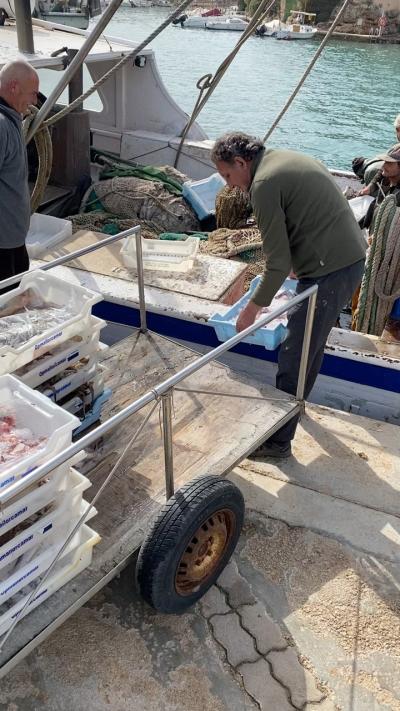
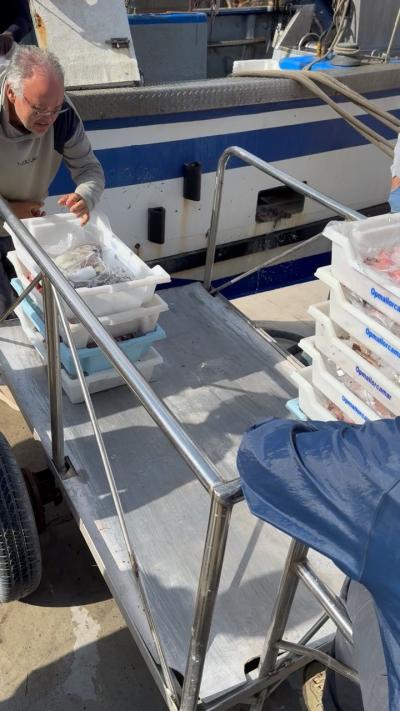
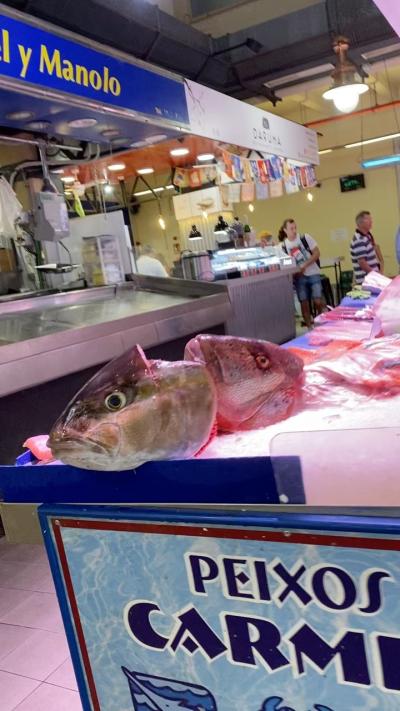
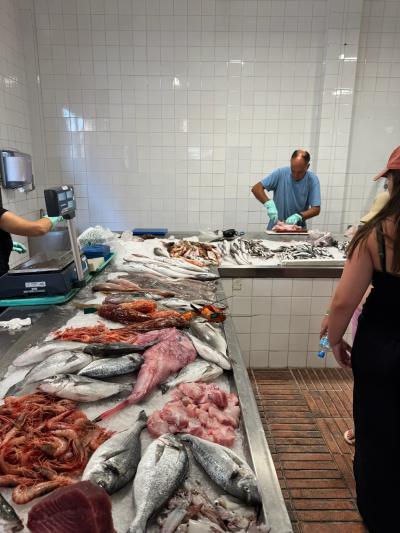
Dining by the coast, whether in Porto Pollenca, Cala d’Or, or Palma’s old town, often means fresh seafood is front and centre. The island’s fishing tradition ensures local markets brim with catches like red mullet, sea bream, and calamari, which you’ll find in tapas bars and family-run restaurants alike. In Alcudia’s harbour or along Cala Mondrago, grilled prawns and suquet de peix—a Mallorcan fish stew—showcase the Mediterranean flavours that locals prize.
Seafood meals here often come with a simple but distinctive touch: a drizzle of local olive oil and a serving of pa amb oli, the island’s beloved bread rubbed with tomato and garlic. Sobrassada and tumbet might steal a bite or two from meat lovers, but the sea delivers the freshest, most celebrated dishes at village festivals and market days. You might sip on a glass of Binissalem wine or Hierbas as you enjoy fresh oysters or grilled octopus, each dish anchored in centuries-old tradition.
The fishing heritage also connects to Mallorca’s sense of place—the small harbours and cove-side eateries embody a lifestyle shaped by the sea and the Tramuntana mountains. Whether exploring the Ma-13 up to Formentor or taking the Soller railway to the port, a seafood lunch keeps you rooted in the island’s culture and landscape. Seasonal festivals like Sant Sebastia often feature fresh fish dishes as part of the communal celebrations, illustrating how deeply intertwined seafood is with local identity and hospitality.
Seafood meals here often come with a simple but distinctive touch: a drizzle of local olive oil and a serving of pa amb oli, the island’s beloved bread rubbed with tomato and garlic. Sobrassada and tumbet might steal a bite or two from meat lovers, but the sea delivers the freshest, most celebrated dishes at village festivals and market days. You might sip on a glass of Binissalem wine or Hierbas as you enjoy fresh oysters or grilled octopus, each dish anchored in centuries-old tradition.
The fishing heritage also connects to Mallorca’s sense of place—the small harbours and cove-side eateries embody a lifestyle shaped by the sea and the Tramuntana mountains. Whether exploring the Ma-13 up to Formentor or taking the Soller railway to the port, a seafood lunch keeps you rooted in the island’s culture and landscape. Seasonal festivals like Sant Sebastia often feature fresh fish dishes as part of the communal celebrations, illustrating how deeply intertwined seafood is with local identity and hospitality.
More Fotos




Related Questions
Related Question
What types of dental treatments are commonly available at these private clinics in Mallorca?
Related Question
What is the best time of year to visit for a peaceful experience at the Ermita?
Related Question
How does the folklore of Son Servera compare to that of other towns in Mallorca?