How can I best experience the local culture in Palma's old town?
Similar Topics
Palma old town
local culture Palma
Gothic architecture Mallorca
Palma Cathedral La Seu
Mercat de l'Olivar
traditional Mallorcan cuisine
tumbet dish
ensaimada pastry
Sant Joan festival
Semana Santa processions
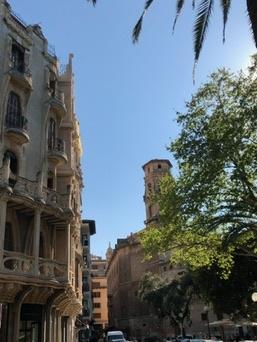
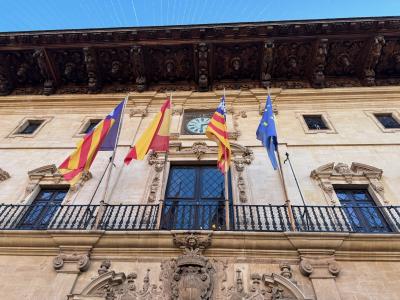
To truly immerse yourself in the local culture of Palma's old town, begin your journey by wandering through its narrow, winding streets. These charming alleyways are lined with beautiful historic buildings, many dating back to the Gothic period. As you stroll, take the time to appreciate the unique architecture, especially the stunning Palma Cathedral, known as La Seu, which dominates the skyline. The area is rich in history and offers countless opportunities to discover hidden plazas, quaint shops, and artisanal boutiques that reflect the island's vibrant culture.
Make sure to indulge in the local culinary scene, as food is a vital aspect of Palma's identity. Visit a traditional market, such as Mercat de l'Olivar, where you can sample fresh produce, local cheeses, and cured meats. Try some typical dishes like "tumbet," a delicious vegetable bake, or "ensaimada," a sweet pastry that is a delightful treat. Pair your meals with local wines or a refreshing "horchata," a traditional drink made from tiger nuts. Dining at a family-run restaurant will also allow you to engage with the locals, who are often eager to share stories about their customs and way of life.
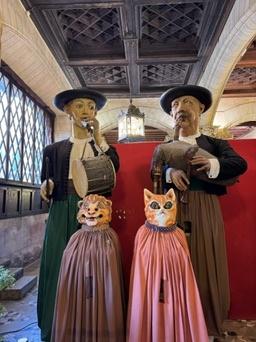
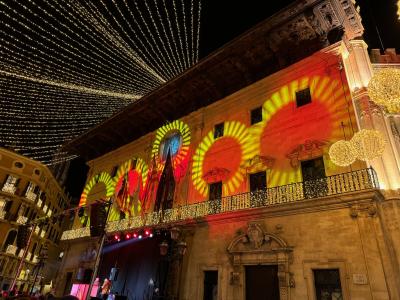
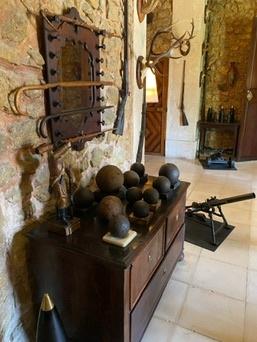
Attending local festivals or events can provide deeper insight into Palma's culture. Keep an eye out for traditional celebrations like Sant Joan, where you can witness spectacular bonfires and fireworks, or the vibrant Semana Santa (Holy Week) processions, which showcase the island's religious heritage. Additionally, visiting art galleries or cultural centers can connect you with the local art scene, allowing you to appreciate the work of Mallorca's talented artists. By embracing these experiences, you will gain a richer understanding of Palma's unique spirit and the warmth of its community.
Make sure to indulge in the local culinary scene, as food is a vital aspect of Palma's identity. Visit a traditional market, such as Mercat de l'Olivar, where you can sample fresh produce, local cheeses, and cured meats. Try some typical dishes like "tumbet," a delicious vegetable bake, or "ensaimada," a sweet pastry that is a delightful treat. Pair your meals with local wines or a refreshing "horchata," a traditional drink made from tiger nuts. Dining at a family-run restaurant will also allow you to engage with the locals, who are often eager to share stories about their customs and way of life.
Attending local festivals or events can provide deeper insight into Palma's culture. Keep an eye out for traditional celebrations like Sant Joan, where you can witness spectacular bonfires and fireworks, or the vibrant Semana Santa (Holy Week) processions, which showcase the island's religious heritage. Additionally, visiting art galleries or cultural centers can connect you with the local art scene, allowing you to appreciate the work of Mallorca's talented artists. By embracing these experiences, you will gain a richer understanding of Palma's unique spirit and the warmth of its community.
Sant Joan
More Fotos