How can I find natural water sources while wild camping in Mallorca?
Similar Topics
wild camping water
serra de tramuntana
mallorca natural water
seasonal streams mallorca
water purification camping
tib bus water
es trenc freshwater
valldemossa springs
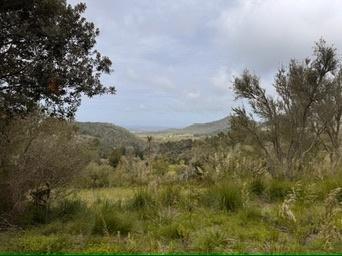
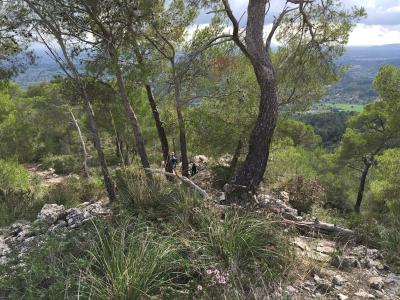
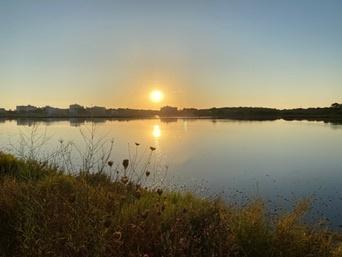
Water is not abundant across much of the island, so planning ahead is crucial when wild camping. The limestone mountains of the Serra de Tramuntana rarely hold surface water except after rains, and many traditional fountains have dried up in recent years. Valleys near Soller and Escorca may have small springs or streams, especially in shaded spots or following the Ma-10 road, which traces much of the mountain range. Low-lying areas and natural parklands like Mondragó sometimes have seasonal ponds or wetlands, but these can be unreliable outside winter and spring.
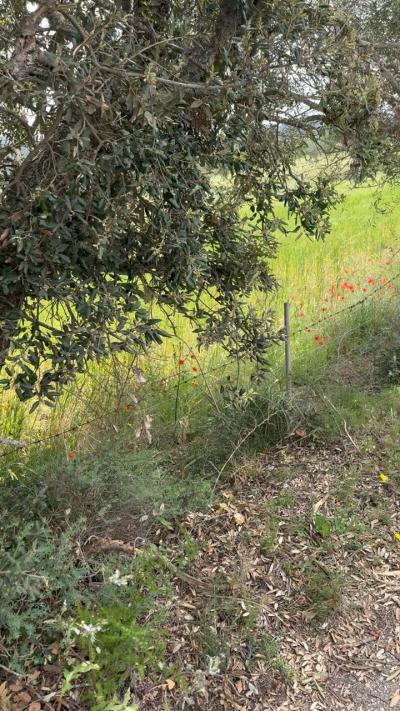
Observing local signs can guide you to water, such as greener vegetation patches and animal tracks, particularly near the numerous dry streams or ravines that cross the island. Listening carefully for faint trickles from hidden springs can also help, especially near villages like Valldemossa or Deia where water channels sometimes remain in use. If you find any surface water, always treat it before drinking—boiling is advisable unless you have a reliable filtration system, as stagnant pools can harbor bacteria.
Public taps may be found in scattered villages or along the TIB bus routes, such as in Alcudia or Pollenca, which can be alternatives to natural sources. Avoid assuming there is potable water on beaches like Es Trenc or Cala Llombards, as these rely on supply rather than natural freshwater. Knowing where to refill before venturing into remote areas is key to a safe and pleasant outdoor experience on the island.
Observing local signs can guide you to water, such as greener vegetation patches and animal tracks, particularly near the numerous dry streams or ravines that cross the island. Listening carefully for faint trickles from hidden springs can also help, especially near villages like Valldemossa or Deia where water channels sometimes remain in use. If you find any surface water, always treat it before drinking—boiling is advisable unless you have a reliable filtration system, as stagnant pools can harbor bacteria.
Public taps may be found in scattered villages or along the TIB bus routes, such as in Alcudia or Pollenca, which can be alternatives to natural sources. Avoid assuming there is potable water on beaches like Es Trenc or Cala Llombards, as these rely on supply rather than natural freshwater. Knowing where to refill before venturing into remote areas is key to a safe and pleasant outdoor experience on the island.
Colònia de Sant Jordi
More Fotos