What is the history behind Valldemossa Monastery and its founding?
Similar Topics
valldemossa monastery
cartusian monks
tramuntana heritage
gothic architecture
chopin in valldemossa
george sand stay
balearic monasteries
cultural heritage
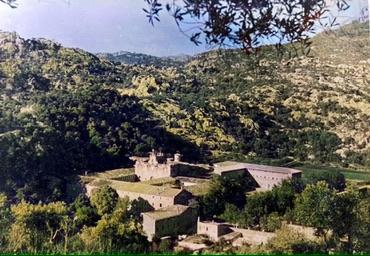
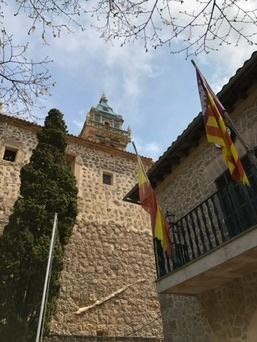
The Carthusian Monastery in Valldemossa owes its origins to a 14th-century royal initiative, founded under King James II of Aragon as a retreat for monks seeking contemplative isolation amid the Tramuntana mountains. Designed initially as a fortress-like refuge, the monastery provided a peaceful sanctuary from worldly distractions, its stone walls echoing centuries of spiritual devotion. The monks who settled here adhered to a strict regime of silence, prayer, and scholarship, embedding the site with a quiet dignity that survives today.
Though the Carthusians left the island in the early 19th century, their legacy remains visible in the monastery’s Gothic and Baroque architectural features, preserved with care. Over time, the complex expanded beyond its religious function, housing artists, writers, and royalty. Most famously, the Polish composer Frédéric Chopin and writer George Sand spent a winter here, their stay immortalized in memoirs that add a romantic aura to the austere cloisters.
The monastery's museum offers a glimpse into this layered history, displaying monastic artifacts alongside Chopin’s personal effects, set against the backdrop of the tranquil gardens and olive groves. Visiting the site today, you can sense the blend of solitude and creativity that has defined Valldemossa for over six centuries, making it a quiet but compelling highlight of any island itinerary.
Though the Carthusians left the island in the early 19th century, their legacy remains visible in the monastery’s Gothic and Baroque architectural features, preserved with care. Over time, the complex expanded beyond its religious function, housing artists, writers, and royalty. Most famously, the Polish composer Frédéric Chopin and writer George Sand spent a winter here, their stay immortalized in memoirs that add a romantic aura to the austere cloisters.
The monastery's museum offers a glimpse into this layered history, displaying monastic artifacts alongside Chopin’s personal effects, set against the backdrop of the tranquil gardens and olive groves. Visiting the site today, you can sense the blend of solitude and creativity that has defined Valldemossa for over six centuries, making it a quiet but compelling highlight of any island itinerary.
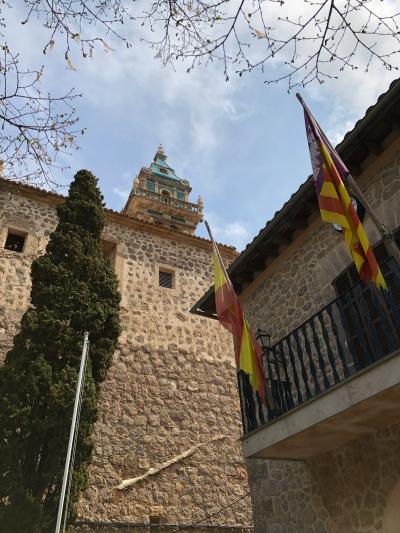
Valldemossa
More Fotos


Related Questions
Related Question
What are the best times to visit Mallorca for pleasant weather and fewer crowds?
Related Question
What are the best times of day to enjoy the beach in Cala Santanyi in late May?
Related Question
Are there any extra fees or taxes I should expect when booking accommodation in Mallorca?