Are there any wildlife feeding or interaction experiences to try in Mallorca?
Similar Topics
wildlife interaction
animal feeding
serra de tramuntana
balearic warbler
sobrassada farm
alcúdia sanctuary
marine life snorkeling
sustainable tourism
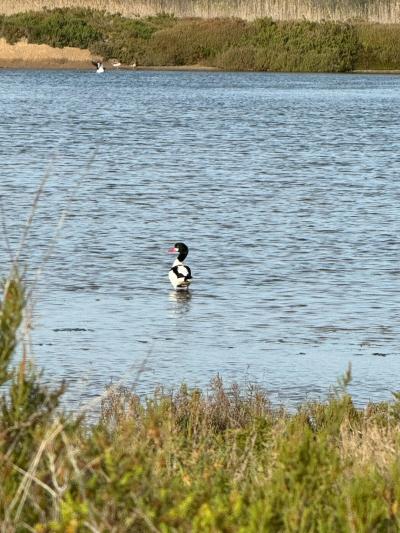
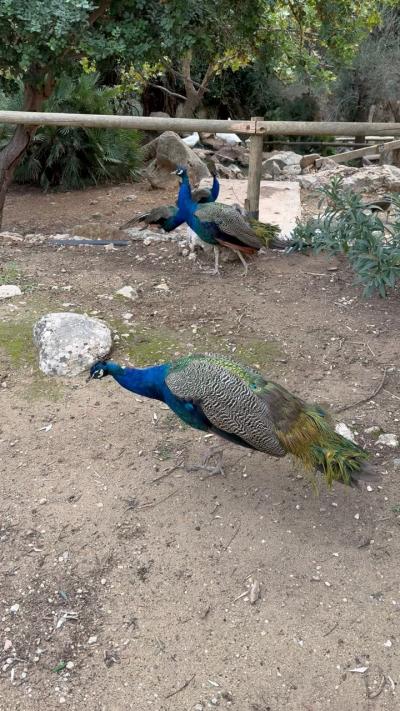
Early morning or late afternoon are the best times to spot some of Mallorca’s native wildlife when visiting the Serra de Tramuntana or the island’s rural areas. While the island doesn’t have large safari-style feeding experiences, there are several opportunities to interact responsibly with local animals. In spots like the Mondragó Natural Park, guided walks sometimes include chances to observe and learn about native birds such as the Balearic warbler or Audouin’s gull, though feeding is discouraged to protect their natural habits.
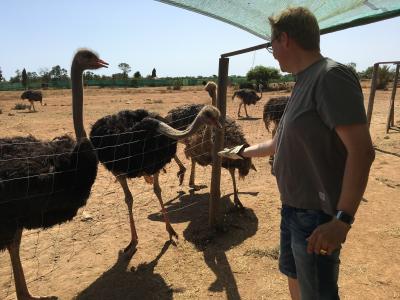
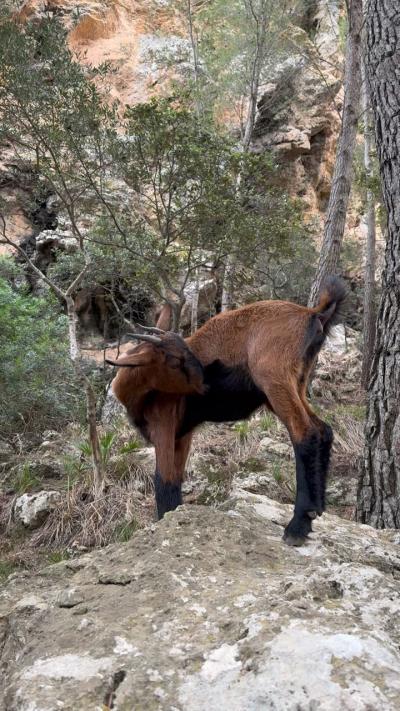
Farm visits around villages like Sineu and Manacor offer a more hands-on experience, where you can meet animals like goats, sheep, or the famous black Balearic pigs raised for sobrassada. These family-run farms sometimes invite guests to participate in traditional farming activities, including feeding sessions that respect the animals’ well-being. Choosing these small, locally managed farms helps support sustainable agriculture and animal welfare on the island.
In Alcúdia and Pollença, animal sanctuaries and equestrian centers welcome visitors for educational encounters with horses and donkeys, often including guided feeding and grooming. It’s important to book these experiences in advance and ensure they emphasize ethical treatment. For a deeper insight into marine life, snorkeling near Cala Llombards or Cala Varques lets you observe creatures like posidonia meadows and fish but without feeding, safeguarding the marine ecosystem.
Though Mallorca is not known for large-scale wildlife feeding programs, the balance between respectful wildlife observation and small-scale animal interaction here provides meaningful and sustainable experiences. Always follow the guidance of local experts and avoid offering food to wild animals outside organized settings to help keep the island’s ecosystems thriving.
Farm visits around villages like Sineu and Manacor offer a more hands-on experience, where you can meet animals like goats, sheep, or the famous black Balearic pigs raised for sobrassada. These family-run farms sometimes invite guests to participate in traditional farming activities, including feeding sessions that respect the animals’ well-being. Choosing these small, locally managed farms helps support sustainable agriculture and animal welfare on the island.
In Alcúdia and Pollença, animal sanctuaries and equestrian centers welcome visitors for educational encounters with horses and donkeys, often including guided feeding and grooming. It’s important to book these experiences in advance and ensure they emphasize ethical treatment. For a deeper insight into marine life, snorkeling near Cala Llombards or Cala Varques lets you observe creatures like posidonia meadows and fish but without feeding, safeguarding the marine ecosystem.
Though Mallorca is not known for large-scale wildlife feeding programs, the balance between respectful wildlife observation and small-scale animal interaction here provides meaningful and sustainable experiences. Always follow the guidance of local experts and avoid offering food to wild animals outside organized settings to help keep the island’s ecosystems thriving.
Palma
More Fotos