Are visitors allowed to take part in religious festivals or ceremonies on the island?
Similar Topics
religious festivals
sant sebastià
semana santa
nit de foc
festa de l’ametler
local traditions
mallorca events
cultural immersion
If you’re hoping to experience the island’s spiritual side firsthand, there are plenty of occasions where locals welcome visitors to observe or even join in traditional festivities. In towns like Palma and Pollenca, religious celebrations such as the vibrant Sant Sebastià festival in January combine music, parades, and processions that illuminate the streets with a unique blend of devotion and community spirit. Though rooted in Catholic tradition, many events hold space for respectful tourists to walk alongside participants and soak up the atmosphere.
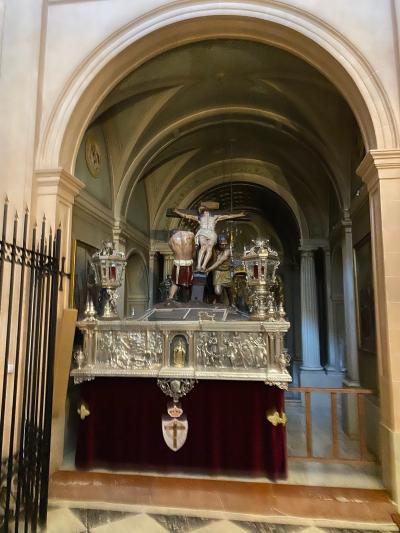
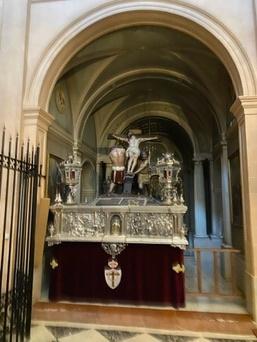
Around Easter, the solemn yet mesmerizing Semana Santa processions in Palma and Sóller offer a moving glimpse of local faith, with hooded penitents and candlelit marches winding through narrow lanes. While not typically participatory in a ritual sense, attending these events quietly and respectfully allows visitors to connect with Mallorca’s deep cultural heritage. The Nit de Foc (Night of Fire) in Alcúdia also mixes pagan and religious customs, where you can watch daring fire runs and enjoy communal celebrations that have a sacred but inclusive feel.
To truly engage, consider timing your visit for the Festa de l’Ametler when almond blossoms are celebrated in the Tramuntana villages like Valldemossa and Deià. Though the focus is more on nature and folklore, it’s closely tied to religious reverence for the season. Always approach ceremonies with sensitivity—dress modestly when entering churches and follow local cues, which may mean observing silence or refraining from photography during sacred moments. Connecting with a local guide can provide invaluable insights, making your participation both meaningful and respectful.
Around Easter, the solemn yet mesmerizing Semana Santa processions in Palma and Sóller offer a moving glimpse of local faith, with hooded penitents and candlelit marches winding through narrow lanes. While not typically participatory in a ritual sense, attending these events quietly and respectfully allows visitors to connect with Mallorca’s deep cultural heritage. The Nit de Foc (Night of Fire) in Alcúdia also mixes pagan and religious customs, where you can watch daring fire runs and enjoy communal celebrations that have a sacred but inclusive feel.
To truly engage, consider timing your visit for the Festa de l’Ametler when almond blossoms are celebrated in the Tramuntana villages like Valldemossa and Deià. Though the focus is more on nature and folklore, it’s closely tied to religious reverence for the season. Always approach ceremonies with sensitivity—dress modestly when entering churches and follow local cues, which may mean observing silence or refraining from photography during sacred moments. Connecting with a local guide can provide invaluable insights, making your participation both meaningful and respectful.

More Fotos