How do the architectural styles found in Palma reflect the different influences across Mallorca?
Similar Topics
palma architecture
la seu cathedral
tramuntana towns
moorish influence
ma-10 road
valldemossa
pollença coast
balearic design
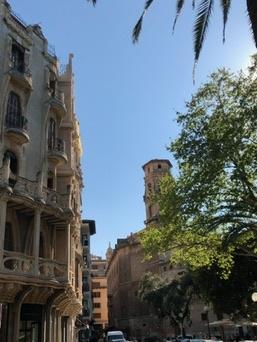
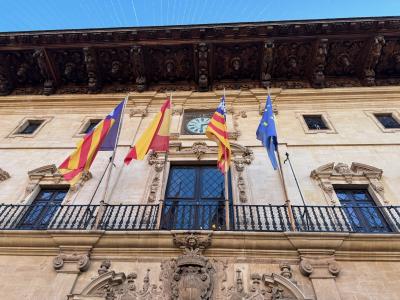
Walking through the narrow streets of Palma’s Old Town, the blend of architectural styles reveals the island’s layered history. Gothic structures like the stunning La Seu Cathedral dominate the skyline, showcasing Mallorca’s medieval Catalan heritage. Nearby, the Arab Baths hark back to Moorish influences, their understated stone arches and tranquil courtyards offering a glimpse into the island’s centuries under Islamic rule. Alongside these, Renaissance and Baroque palaces reflect the affluence of Palma’s noble families during the later centuries.
Beyond Palma, towns such as Valldemossa and Deià present a different aesthetic with their stone-built houses and terracotta roofs set against the Tramuntana mountains, embodying a rustic charm that contrasts the urban feel of the capital. Coastal villages like Port de Pollença feature pastel-hued fisherman’s cottages that celebrate Mediterranean simplicity. Throughout the island, details such as wrought iron balconies, tiled courtyards, and wooden shutters convey a unique fusion of Mediterranean, Catalan, and Moorish design elements.
This architectural diversity is echoed along the Ma-10 scenic drive, where historic fincas sit amid olive and almond groves, blending manmade artistry with natural beauty. Visiting Palma and its surrounding towns offers a rich tapestry of styles that tell Mallorcan stories of conquest, culture, and island life, making the built environment itself a journey across the centuries.
Beyond Palma, towns such as Valldemossa and Deià present a different aesthetic with their stone-built houses and terracotta roofs set against the Tramuntana mountains, embodying a rustic charm that contrasts the urban feel of the capital. Coastal villages like Port de Pollença feature pastel-hued fisherman’s cottages that celebrate Mediterranean simplicity. Throughout the island, details such as wrought iron balconies, tiled courtyards, and wooden shutters convey a unique fusion of Mediterranean, Catalan, and Moorish design elements.
This architectural diversity is echoed along the Ma-10 scenic drive, where historic fincas sit amid olive and almond groves, blending manmade artistry with natural beauty. Visiting Palma and its surrounding towns offers a rich tapestry of styles that tell Mallorcan stories of conquest, culture, and island life, making the built environment itself a journey across the centuries.
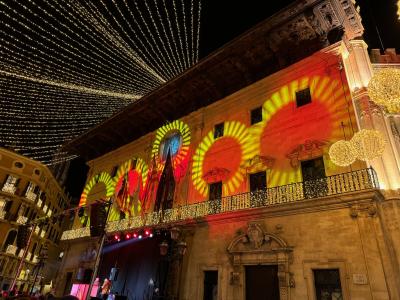
Palma
More Fotos