Which architects have influenced the distinctive buildings and style found on the island?
Similar Topics
mallorca architecture
serra de tramuntana
palma buildings
modernist architecture
valldemossa architecture
deia houses
es baluard museum
soller railway
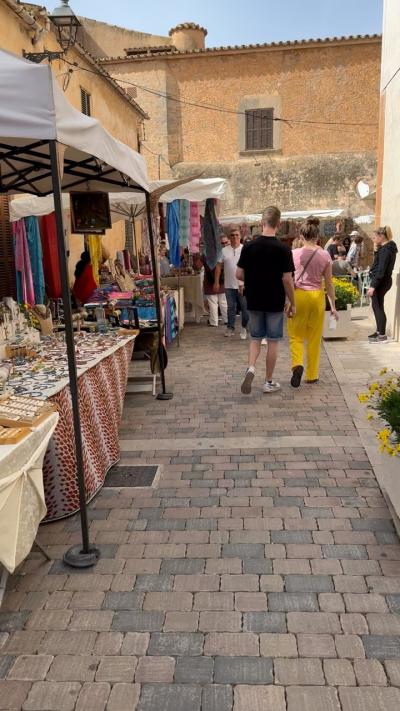
One could explore two architectural legacies here: the traditional Mediterranean vernacular seen in rural towns and the modernist touches found in Palma and coastal resorts. The island’s built environment owes much to local architects who have preserved the charm of stone farmhouses and village churches throughout the Serra de Tramuntana, especially around Valldemossa and Deià. Their work often celebrates Mallorca's climate and landscape with terracotta roofs, wrought iron balconies, and shaded courtyards that echo centuries-old construction methods adapted to the Mediterranean setting.
In contrast, Palma's urban fabric features influences from internationally renowned architects who have left a contemporary imprint on the cityscape. For example, the evocative renovation of the Es Baluard Museum by Lluís García-Ruiz and its mix of modern lines with medieval fortifications demonstrates a dialogue between past and present. Similarly, Josep Ferragut’s modernist residential buildings in the city highlight how Mallorca embraces thoughtful innovation within its architectural tradition.
Outside Palma, the island also attracted visionary designers in the 20th century, inspired by the landscape’s rugged beauty. The Soller railway station, though modest, reflects careful design in harmony with its surroundings, while the minimalistic but elegant holiday homes near the coves of Cala Mondrago and Formentor illustrate how architectural ideas are tailored to the coastal environment. Mallorca’s architecture, then, is a blend of time-honored craft and selective modernism, shaped by both local talent and the island’s unique geography.
In contrast, Palma's urban fabric features influences from internationally renowned architects who have left a contemporary imprint on the cityscape. For example, the evocative renovation of the Es Baluard Museum by Lluís García-Ruiz and its mix of modern lines with medieval fortifications demonstrates a dialogue between past and present. Similarly, Josep Ferragut’s modernist residential buildings in the city highlight how Mallorca embraces thoughtful innovation within its architectural tradition.
Outside Palma, the island also attracted visionary designers in the 20th century, inspired by the landscape’s rugged beauty. The Soller railway station, though modest, reflects careful design in harmony with its surroundings, while the minimalistic but elegant holiday homes near the coves of Cala Mondrago and Formentor illustrate how architectural ideas are tailored to the coastal environment. Mallorca’s architecture, then, is a blend of time-honored craft and selective modernism, shaped by both local talent and the island’s unique geography.

More Fotos