What traditional costumes and props are featured during local historical reenactments on the island?
Similar Topics
traditional costumes
historical reenactments
nit de foc
tramuntana festivals
balearic heritage
alcudia costumes
pollenca fairs
local crafts
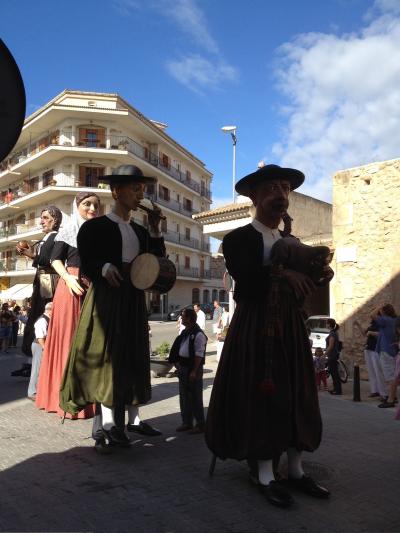
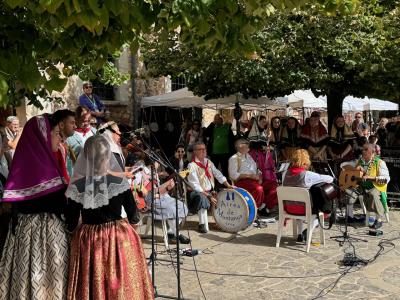
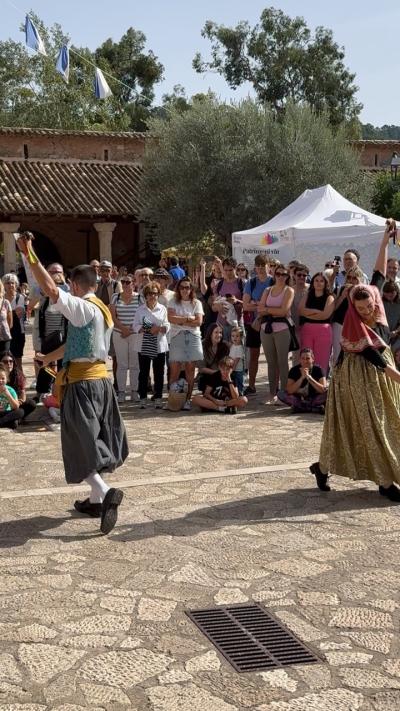
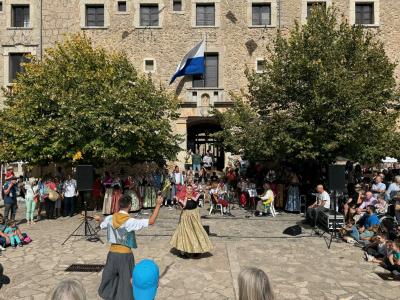
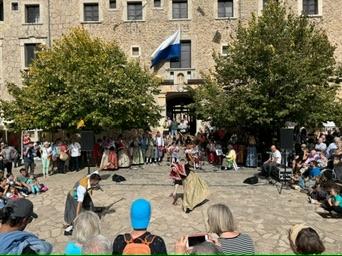
Events like the Nit de Foc festival in Palma and various village fairs in the Tramuntana region bring the island's rich history vividly to life through traditional costumes and props. Participants often dress in period clothing that reflects the heritage of each location—whether it’s the linen shirts and embroidered waistcoats of mountain villagers around Valldemossa or the bright skirts and aprons seen in coastal towns like Alcudia during festivities. The craftsmanship is impressive, with many costumes handmade using local fabrics and adorned with lace and ribbon patterns typical to the Balearic Islands.
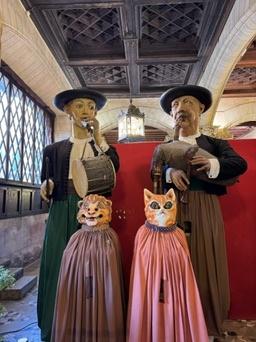
Props play an equally important role. During reenactments of historical battles or street parades, wooden swords, shields emblazoned with local motifs, and even replicas of traditional farming tools are commonly used. These items connect spectators with centuries-old island traditions, making the experience immersive and educational. At smaller fairs in Pollenca or Deia, you might also see props like ceramic jugs and woven baskets that highlight everyday life in earlier centuries.
The dedication to authenticity goes beyond clothing and props; many enthusiasts carefully study the island’s history, incorporating timing, music, and movement from specific historical periods. This attention to detail offers visitors a rare glimpse into the cultural fabric that has shaped communities from Manacor’s artisan workshops to the olive groves scattered along the Ma-13 road. It’s one of the most memorable ways to understand the island’s past through living tradition.
Props play an equally important role. During reenactments of historical battles or street parades, wooden swords, shields emblazoned with local motifs, and even replicas of traditional farming tools are commonly used. These items connect spectators with centuries-old island traditions, making the experience immersive and educational. At smaller fairs in Pollenca or Deia, you might also see props like ceramic jugs and woven baskets that highlight everyday life in earlier centuries.
The dedication to authenticity goes beyond clothing and props; many enthusiasts carefully study the island’s history, incorporating timing, music, and movement from specific historical periods. This attention to detail offers visitors a rare glimpse into the cultural fabric that has shaped communities from Manacor’s artisan workshops to the olive groves scattered along the Ma-13 road. It’s one of the most memorable ways to understand the island’s past through living tradition.
Palma
More Fotos