What road signs should I be familiar with when driving around Mallorca?
Similar Topics
mallorca road signs
traffic safety
speed limit
serra de tramuntana
ma-10 road
tib bus
parking signs
driving mallorca
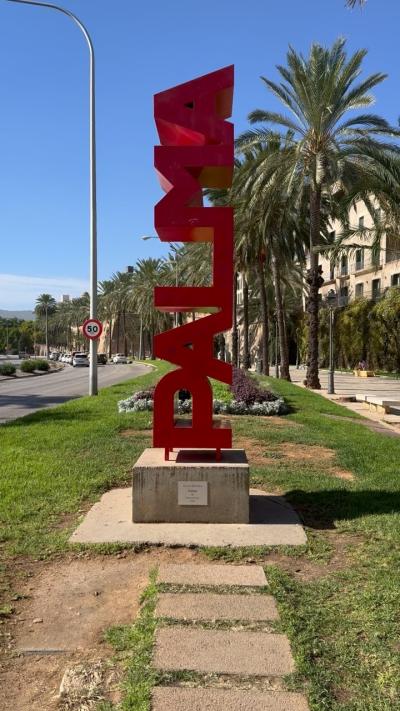
One detail that often catches newcomers is the occasional blue sign indicating a 'P' accompanied by a car icon—these mark parking areas, vital to spot in charming but narrow streets like those of Palma’s old town or Pollenca. Beyond the usual stop signs and traffic lights, here you’ll find speed limits clearly marked, with 50 km/h common in towns such as Soller or Manacor, and lower limits on winding mountain roads through the Serra de Tramuntana. Watch for caution signs warning of sharp bends, especially on scenic drives along the Ma-10 or Ma-19, where the vistas can be as distracting as the road itself.
Yellow warning signs alert you to hazards like pedestrian crossings near lively village centers or construction zones sometimes appearing on routes around Alcudia. Blue service symbols are also well used to indicate amenities—gas stations, picnic areas or even access points to beaches like Es Trenc and Cala Llombards. Familiarity with these signs makes navigating the island’s diverse landscapes smoother, whether you’re heading to a vineyard in Binissalem or exploring the northern tip at Formentor.
Occasionally you’ll spot signs reminding drivers about wildlife or horse-drawn carts, especially near rural paths or protected natural parks. Being attentive to these local road symbols ensures a safer and more relaxed journey, whether you’re traveling by car, scooter, or even catching a TIB bus. The island’s small size means that learning its few idiosyncratic signs quickly can genuinely enhance your confidence behind the wheel.
Yellow warning signs alert you to hazards like pedestrian crossings near lively village centers or construction zones sometimes appearing on routes around Alcudia. Blue service symbols are also well used to indicate amenities—gas stations, picnic areas or even access points to beaches like Es Trenc and Cala Llombards. Familiarity with these signs makes navigating the island’s diverse landscapes smoother, whether you’re heading to a vineyard in Binissalem or exploring the northern tip at Formentor.
Occasionally you’ll spot signs reminding drivers about wildlife or horse-drawn carts, especially near rural paths or protected natural parks. Being attentive to these local road symbols ensures a safer and more relaxed journey, whether you’re traveling by car, scooter, or even catching a TIB bus. The island’s small size means that learning its few idiosyncratic signs quickly can genuinely enhance your confidence behind the wheel.
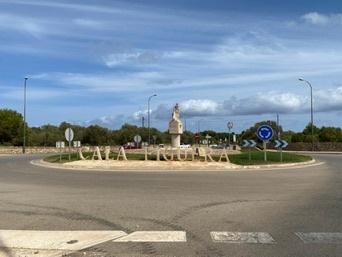
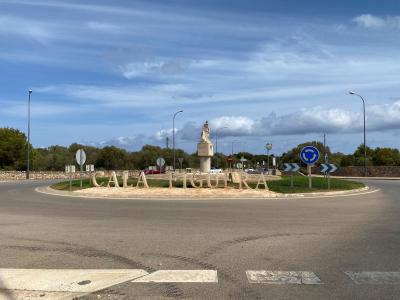
Cala Figuera
More Fotos