Are there restrictions on visitors who don’t stay at hotels when entering natural parks in Mallorca?
Similar Topics
natural parks
visitor restrictions
mondragó
es trenc
tramuntana
tib bus
parking controls
peak seasons
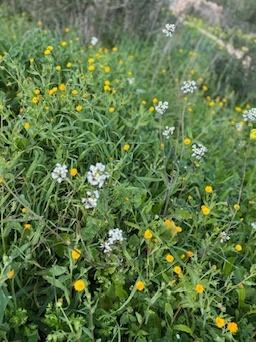
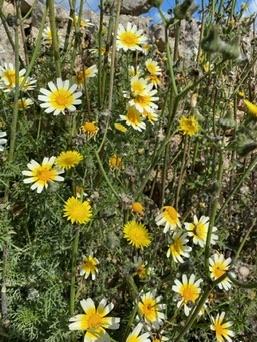
Many of the island’s most beloved natural parks, such as the Mondragó Natural Park near Cala Mondragó or the Parc Natural de s'Albufera near Alcudia, manage visitor numbers to protect the environment and maintain a quality experience. While these spaces don’t usually enforce strict limits on the number of non-hotel guests who can enter at any one time, they may introduce measures during busy periods, especially in summer and holidays, to prevent overcrowding. It’s not uncommon to encounter controlled parking or require permits for certain protected dunes or sensitive areas.
Checking official websites or local tourist offices before heading out is wise, as some spots along the Ma-19 or in Tramuntana reserves can be busier than expected, and seasonal restrictions may apply. For example, Es Trenc beach, known for its pristine sand and natural setting, sometimes limits vehicle access to preserve the dunes, which indirectly caps visitor numbers. Taking local buses such as the TIB or the Soller railway can be a convenient alternative to avoid parking headaches and travel sustainably.
Timing your visit early in the morning or during weekdays often means fewer crowds and a calmer atmosphere. While no comprehensive reservation system currently applies to most parks here, guided tours or special events like the Festes de Sant Sebastià in Palma can increase footfall locally. Respecting signposted rules and sticking to marked paths helps ensure these areas remain beautiful and accessible for everyone, whether you’re simply strolling, hiking in the Serra de Tramuntana, or enjoying a picnic of pa amb oli and sobrassada nearby.
Checking official websites or local tourist offices before heading out is wise, as some spots along the Ma-19 or in Tramuntana reserves can be busier than expected, and seasonal restrictions may apply. For example, Es Trenc beach, known for its pristine sand and natural setting, sometimes limits vehicle access to preserve the dunes, which indirectly caps visitor numbers. Taking local buses such as the TIB or the Soller railway can be a convenient alternative to avoid parking headaches and travel sustainably.
Timing your visit early in the morning or during weekdays often means fewer crowds and a calmer atmosphere. While no comprehensive reservation system currently applies to most parks here, guided tours or special events like the Festes de Sant Sebastià in Palma can increase footfall locally. Respecting signposted rules and sticking to marked paths helps ensure these areas remain beautiful and accessible for everyone, whether you’re simply strolling, hiking in the Serra de Tramuntana, or enjoying a picnic of pa amb oli and sobrassada nearby.
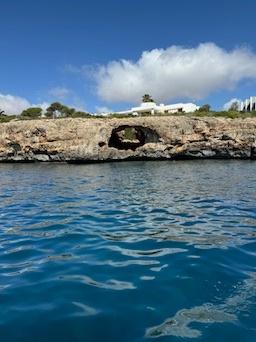
Cala Marçal
More Fotos