What architectural styles can I see on the Calvari staircase in Pollença?
Similar Topics
calvari staircase
pollença architecture
mallorca baroque
tramuntana architecture
mallorca chapels
balearic gothic
pollença sights
mallorca religious sites
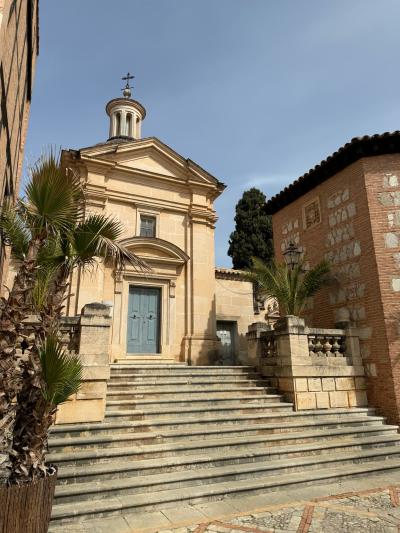
The Calvari staircase in Pollença is an evocative blend of local craftsmanship and religious architecture, inviting visitors to ascend 365 steps that lead to a small chapel with stunning views. The stairway itself is constructed from roughly hewn stone that reflects traditional Mallorcan building methods, sturdy and functional yet fitting naturally into the surrounding Mediterranean landscape. The chapel at the top showcases simple yet beautiful elements inspired by Baroque styles common to the Balearics, with modest stucco walls and subtle ornamentation that highlights the island’s religious heritage without overwhelming the serene setting.
Along the climb, the modest niches and small platforms occasionally offer spaces for quiet reflection, echoing the spiritual purpose the stairway has served since its 18th-century origins. While less ornate than grand Baroque monuments in Palma’s historic centre, the staircase’s form harmonizes with the rugged Tramuntana backdrop, creating an architectural dialogue between nature and human devotion. The pointed arches and clean lines of the chapel entrance hint at faint Gothic influences, a reminder of the layered history evident across towns like Valldemossa and Deià. This journey up the steps offers not just a physical challenge but a chance to experience a slice of island spirituality designed in stone and light.
Along the climb, the modest niches and small platforms occasionally offer spaces for quiet reflection, echoing the spiritual purpose the stairway has served since its 18th-century origins. While less ornate than grand Baroque monuments in Palma’s historic centre, the staircase’s form harmonizes with the rugged Tramuntana backdrop, creating an architectural dialogue between nature and human devotion. The pointed arches and clean lines of the chapel entrance hint at faint Gothic influences, a reminder of the layered history evident across towns like Valldemossa and Deià. This journey up the steps offers not just a physical challenge but a chance to experience a slice of island spirituality designed in stone and light.
Palma
More Fotos

Related Questions
Related Question
Have historic buildings in Palma and other towns been renovated to keep their traditional character?
Related Question
Where are the best spots to photograph Palma Cathedral from around the city?
Related Question
How much time should I set aside to fully explore Valldemossa and its surroundings?