Where can I take cooking classes that focus on traditional Mallorcan ingredients?
Similar Topics
cooking classes
local ingredients
pa amb oli
sobrassada
ensaimada
binissalem wine
mercat de l'olivar
tramuntana herbs
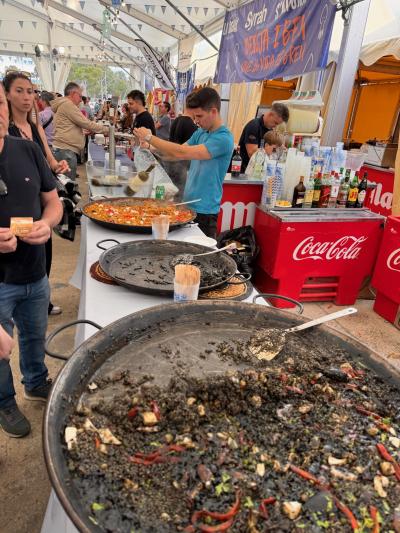
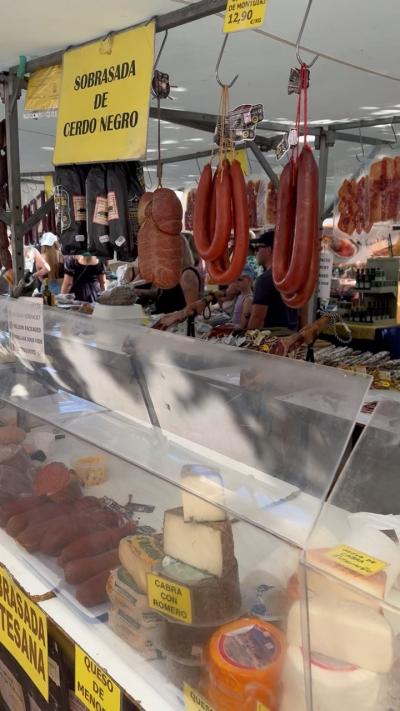
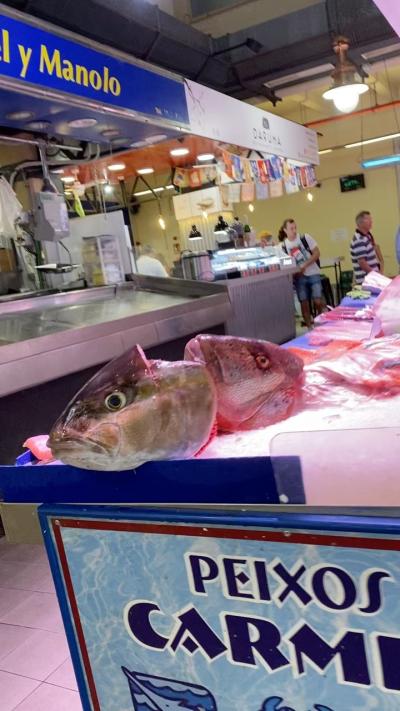
For those keen to explore the island’s culinary traditions, early morning visits to Palma’s Mercat de l'Olivar are a great way to see and select typical local ingredients like sobrassada, fresh almonds, and ripe tomatoes for pa amb oli. Many cooking classes here include a market tour where you can pick out seasonal produce before heading to a nearby kitchen to prepare classic dishes such as tumbet or arròs brut. These hands-on experiences offer a genuine taste of Mallorcan gastronomy, emphasizing fresh, locally sourced ingredients.
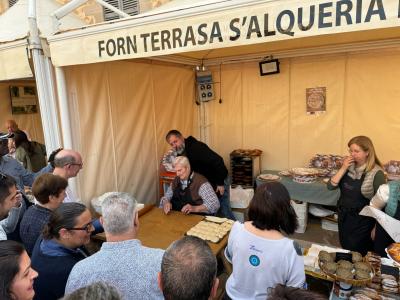
Outside Palma, towns like Sóller and Pollença offer intimate classes often held in family-run kitchens or rustic finca settings, where chefs share recipes handed down through generations. Here, you might learn to make ensaimada pastries from scratch or craft dipping sauces flavored with herbs from the Tramuntana foothills. Some workshops even include tastings of local wines from Binissalem or herbal liquors like Hierbas and Palo to pair with your meal.
Classes frequently feature discussions about the island’s agricultural heritage, including sustainable farming practices on olive groves and almond orchards. Whether you’re a novice or an experienced cook, these sessions deepen your appreciation for Mallorca’s distinct Mediterranean flavors and culinary culture. Departing with a few well-loved recipes and special insights, you’ll bring a genuine piece of the island’s kitchen back home.
Outside Palma, towns like Sóller and Pollença offer intimate classes often held in family-run kitchens or rustic finca settings, where chefs share recipes handed down through generations. Here, you might learn to make ensaimada pastries from scratch or craft dipping sauces flavored with herbs from the Tramuntana foothills. Some workshops even include tastings of local wines from Binissalem or herbal liquors like Hierbas and Palo to pair with your meal.
Classes frequently feature discussions about the island’s agricultural heritage, including sustainable farming practices on olive groves and almond orchards. Whether you’re a novice or an experienced cook, these sessions deepen your appreciation for Mallorca’s distinct Mediterranean flavors and culinary culture. Departing with a few well-loved recipes and special insights, you’ll bring a genuine piece of the island’s kitchen back home.

More Fotos


Related Questions
Related Question
What traditional pastries and desserts should I try during my trip to Mallorca?
Related Question
What interesting places can I visit near the Pilar and Joan Miró Foundation in Palma?
Related Question
How can I stay updated on bus delays or timetable changes when traveling around Mallorca?