How have coastal towns in Mallorca traditionally related to the sea?
Similar Topics
mallorca fishing
coastal towns
balearic sea
traditional fishing
palma harbor
sustainable fishing
mediterranean trade
mallorca festivals
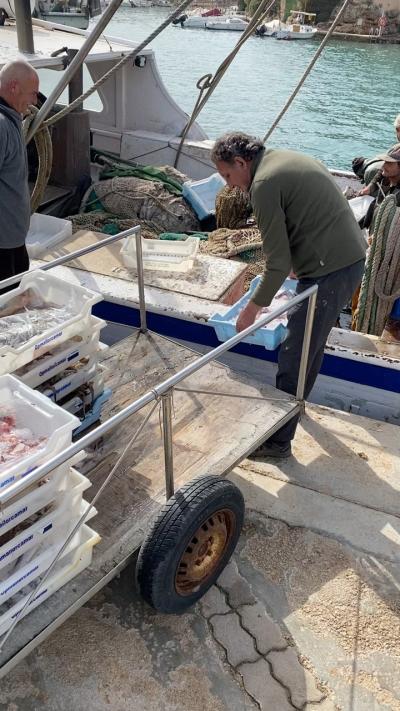
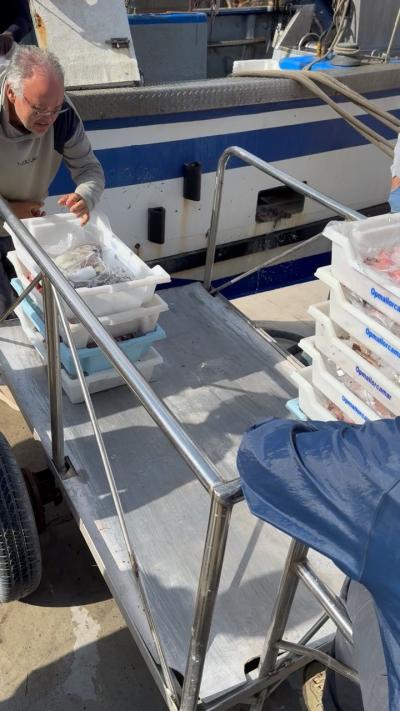
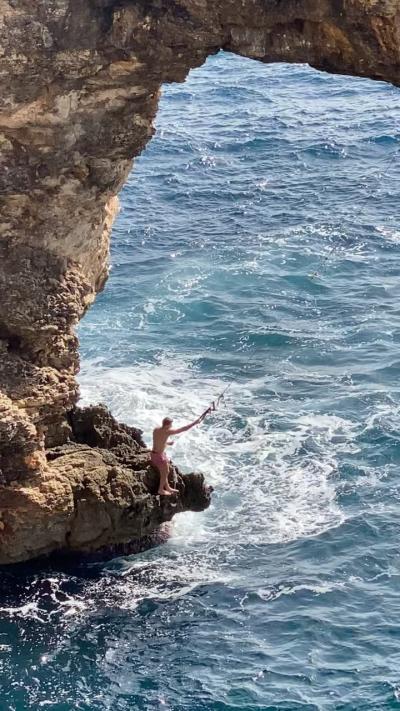
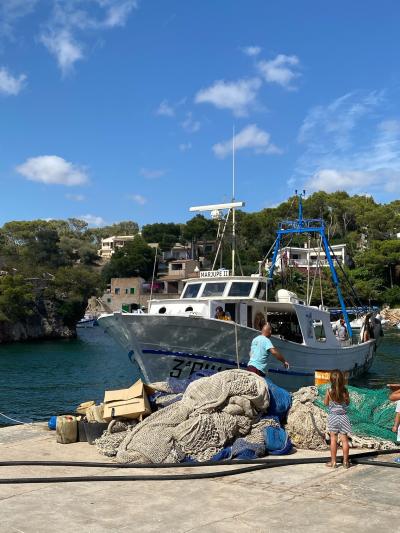
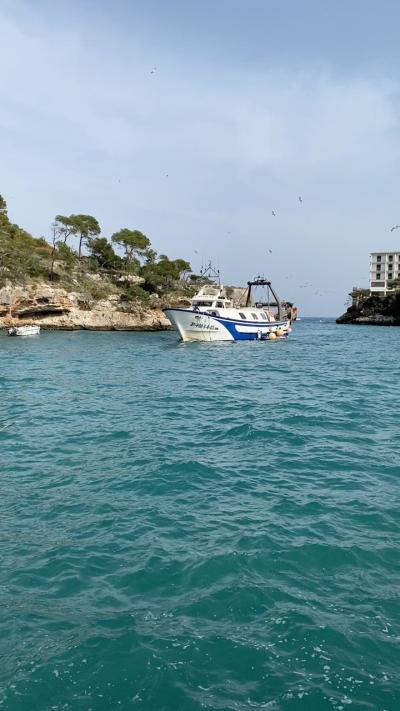
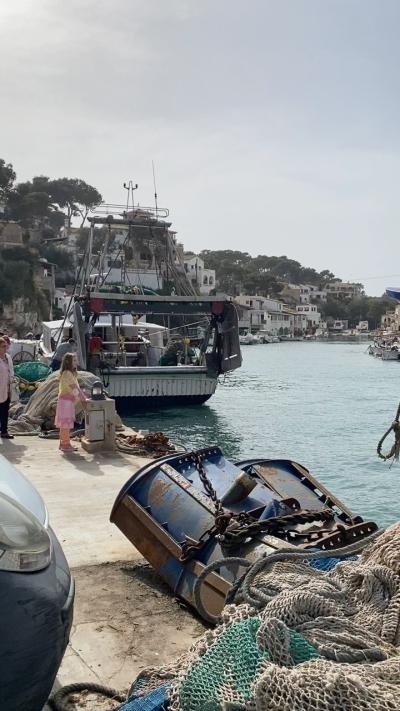
Many visitors imagine Mallorca’s coastal towns as simply holiday resorts, but their history reveals a profound bond with the sea that shaped daily life and culture. For centuries, fishing was the lifeblood of places like Cala Ratjada and Port de Sóller. Knowledge of net-making, boat-building, and navigating the Mediterranean was handed down through generations, forming the backbone of local identity. This connection went beyond commerce—it influenced festivals like the maritime celebrations in Portocolom, where ancient seafaring customs come alive with music and ceremonies honoring the sea’s gifts.
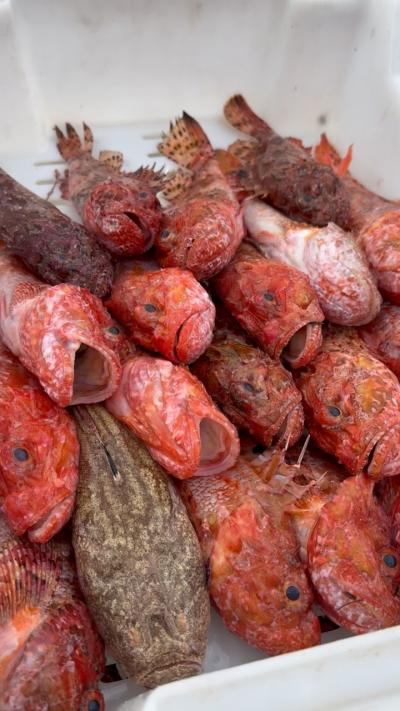
Seaports such as Palma and Alcúdia were vital hubs linking the island to the wider Mediterranean trading routes. This exchange introduced new goods, culinary influences, and cultural practices, visible today in Mallorca’s vibrant markets and diverse food traditions including dishes made with freshly caught seafood combined with local produce like sobrassada and pa amb oli. The sea was also a source of stories and legends—fishermen’s tales and maritime folklore remain part of the island’s rich oral heritage.
In recent decades, increasing attention to sustainability has led coastal communities to balance their economic reliance on the sea with conservation efforts. Protection of marine reserves around Formentor and Es Trenc beaches and initiatives promoting sustainable fishing look to preserve the vitality of marine ecosystems. The relationship here remains deeply rooted in respect for nature’s rhythms, blending old traditions with new ecological awareness to safeguard the island’s maritime legacy for seasons yet to come.
Seaports such as Palma and Alcúdia were vital hubs linking the island to the wider Mediterranean trading routes. This exchange introduced new goods, culinary influences, and cultural practices, visible today in Mallorca’s vibrant markets and diverse food traditions including dishes made with freshly caught seafood combined with local produce like sobrassada and pa amb oli. The sea was also a source of stories and legends—fishermen’s tales and maritime folklore remain part of the island’s rich oral heritage.
In recent decades, increasing attention to sustainability has led coastal communities to balance their economic reliance on the sea with conservation efforts. Protection of marine reserves around Formentor and Es Trenc beaches and initiatives promoting sustainable fishing look to preserve the vitality of marine ecosystems. The relationship here remains deeply rooted in respect for nature’s rhythms, blending old traditions with new ecological awareness to safeguard the island’s maritime legacy for seasons yet to come.
More Fotos