What is the history behind some of Mallorca’s traditional dishes?
Similar Topics
traditional mallorcan dishes
sobrassada history
pa amb oli
tumbet recipe
binissalem wine
mallorca food culture
sant sebastià festival
mediterranean spices
Mallorca’s traditional dishes reflect centuries of agricultural heritage and the confluence of various cultural influences that have shaped the island’s cuisine. Rooted in the produce and livestock once abundant in the countryside, recipes such as tumbet—a vibrant vegetable medley of aubergines, peppers, and tomatoes—speak to a reliance on local, seasonal ingredients. Sobrassada, a cured pork sausage seasoned with paprika, also reflects the island’s historical ties to Mediterranean trade and spice routes.
The island’s culinary story extends beyond rustic peasant fare. The Moorish influence can still be sensed in subtle spice blends, while the agricultural rhythms inspired celebrations and feasts often centered around dishes that highlight Mallorca’s natural bounty. Staples like pa amb oli—the simple yet satisfying bread rubbed with ripe tomatoes, olive oil, and local cheese or ham—are not only practical but also symbolise community and tradition.
Family recipes have passed down through generations, often evolving but retaining their core flavours and techniques. Festivals such as Sant Sebastià in Palma frequently showcase these dishes, where locals gather to enjoy plates accompanied by Binissalem wines or Hierbas. In exploring Mallorcan cooking, you taste more than food; you connect with the island’s layered history and the intimate relationship its people share with their land.
The island’s culinary story extends beyond rustic peasant fare. The Moorish influence can still be sensed in subtle spice blends, while the agricultural rhythms inspired celebrations and feasts often centered around dishes that highlight Mallorca’s natural bounty. Staples like pa amb oli—the simple yet satisfying bread rubbed with ripe tomatoes, olive oil, and local cheese or ham—are not only practical but also symbolise community and tradition.
Family recipes have passed down through generations, often evolving but retaining their core flavours and techniques. Festivals such as Sant Sebastià in Palma frequently showcase these dishes, where locals gather to enjoy plates accompanied by Binissalem wines or Hierbas. In exploring Mallorcan cooking, you taste more than food; you connect with the island’s layered history and the intimate relationship its people share with their land.
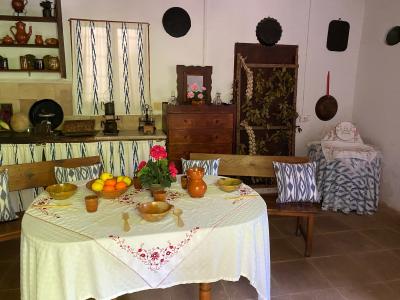
Bunyola
More Fotos




Related Questions
Related Question
Where can I find information about art exhibitions and gallery openings during my visit to Mallorca?
Related Question
Is it cheaper to fly into Mallorca from certain cities or countries?
Related Question
Are there any local eateries or cafes nearby where I can try traditional Mallorcan food?