What historical significance does the village of Santa Eugenia hold?
Similar Topics
Santa Eugenia
Mallorca history
Mallorca culture
17th century church
viticulture Mallorca
local cuisine Mallorca
Mallorca festivals
agricultural heritage Mallorca
Mallorca wine production
historic villages Mallorca
Santa Eugenia, a charming village located in the heart of the island of Mallorca, holds a rich historical significance that reflects the diverse cultural influences that have shaped the region. Established in the 13th century, the village is named after Saint Eugenia, a figure revered in both Christian and local traditions. The area showcases a blend of architectural styles, with its rustic stone buildings and narrow streets echoing the island's agricultural past. Historically, Santa Eugenia was a vibrant center for viticulture, and the surrounding landscapes were once dotted with vineyards that contributed to Mallorca's wine production, a legacy that still influences local cuisine today.
As you wander through the village, you’ll find remnants of its historical roots, particularly in the charming church of Santa Eugenia, which dates back to the 17th century. This church not only serves as a spiritual hub but also as a testament to the village's enduring community spirit. The annual festivals celebrating local traditions further emphasize the village’s cultural importance, drawing visitors who wish to experience authentic Mallorcan life. Additionally, Santa Eugenia plays a crucial role in the island's agricultural heritage, as it continues to produce locally sourced goods, including wine and olive oil, which are integral to the island’s identity.
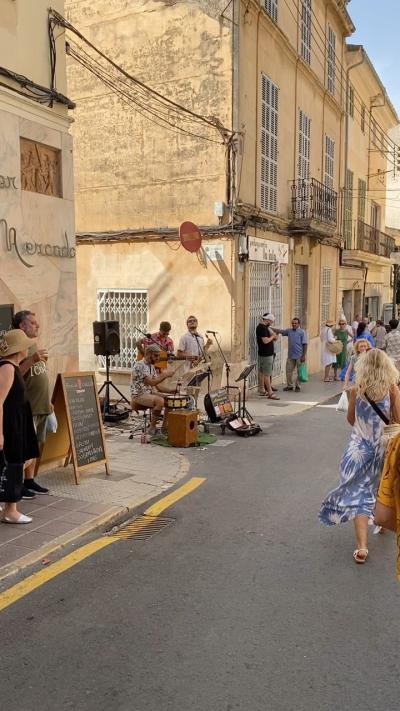
In recent years, the village has also become known for its commitment to preserving its historical identity while welcoming visitors. The blend of tradition and modernity is evident in its local shops and restaurants, where you can taste the flavors of the island while enjoying the picturesque surroundings. Overall, Santa Eugenia is not just a scenic spot; it is a living testament to Mallorca's rich history and cultural evolution, making it a worthwhile destination for anyone interested in exploring the island's past and present.
As you wander through the village, you’ll find remnants of its historical roots, particularly in the charming church of Santa Eugenia, which dates back to the 17th century. This church not only serves as a spiritual hub but also as a testament to the village's enduring community spirit. The annual festivals celebrating local traditions further emphasize the village’s cultural importance, drawing visitors who wish to experience authentic Mallorcan life. Additionally, Santa Eugenia plays a crucial role in the island's agricultural heritage, as it continues to produce locally sourced goods, including wine and olive oil, which are integral to the island’s identity.
In recent years, the village has also become known for its commitment to preserving its historical identity while welcoming visitors. The blend of tradition and modernity is evident in its local shops and restaurants, where you can taste the flavors of the island while enjoying the picturesque surroundings. Overall, Santa Eugenia is not just a scenic spot; it is a living testament to Mallorca's rich history and cultural evolution, making it a worthwhile destination for anyone interested in exploring the island's past and present.
Palma
More Fotos