What local customs should I know when traveling in Mallorca with children?
Similar Topics
mallorca travel
family travel
local customs
dining etiquette
pa amb oli
serra de tramuntana
sant sebastia
mallorca beaches
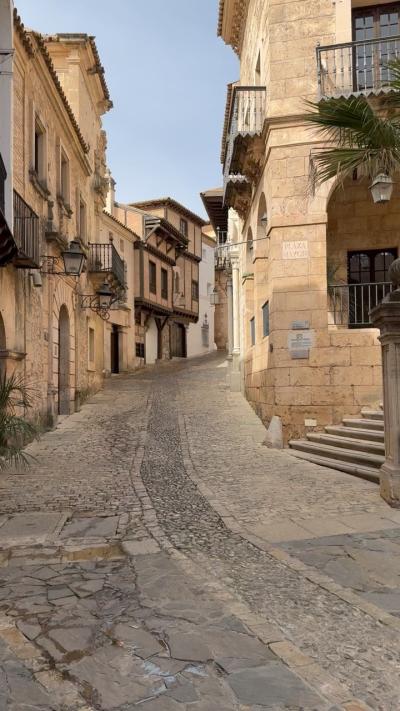
Family life in Mallorca tends to be warm and welcoming, especially towards children, with residents often delighting in small interactions that can make young travelers feel at home. In towns like Palma or Sóller, it’s common for locals to smile or greet children in cafes and markets, so encouraging your kids to respond kindly can enrich your experience. Embracing this friendliness helps foster positive moments whether you're exploring the bustling Mercat de l'Olivar or strolling the quaint streets of Valldemossa.
Dining customs here typically lean towards relaxed, convivial meals. When enjoying local specialties like pa amb oli or tumbet at a family-run restaurant in Port de Pollença, it’s customary to wait until everyone is served before starting. Mealtimes can be leisurely, giving children time to enjoy and appreciate the food. Teaching kids to use proper table manners — such as keeping hands visible on the table but avoiding elbows — helps respect Mallorcan dining etiquette.
Respect for tradition carries into dress and behavior, especially when visiting religious or historic sites like the cathedral in Palma or the monastery in Lluc. Modesty is appreciated; it’s wise to have children wear covered shoulders and avoid beachwear beyond the shore. Public spaces and festivals, from the vibrant Sant Sebastià in Palma to the quieter Festa de l'Ametler in the Tramuntana foothills, invite joyful expression but keeping voices and actions considerate ensures harmony with locals. Understanding these customs provides a richer, smoother experience when exploring the island as a family.
Dining customs here typically lean towards relaxed, convivial meals. When enjoying local specialties like pa amb oli or tumbet at a family-run restaurant in Port de Pollença, it’s customary to wait until everyone is served before starting. Mealtimes can be leisurely, giving children time to enjoy and appreciate the food. Teaching kids to use proper table manners — such as keeping hands visible on the table but avoiding elbows — helps respect Mallorcan dining etiquette.
Respect for tradition carries into dress and behavior, especially when visiting religious or historic sites like the cathedral in Palma or the monastery in Lluc. Modesty is appreciated; it’s wise to have children wear covered shoulders and avoid beachwear beyond the shore. Public spaces and festivals, from the vibrant Sant Sebastià in Palma to the quieter Festa de l'Ametler in the Tramuntana foothills, invite joyful expression but keeping voices and actions considerate ensures harmony with locals. Understanding these customs provides a richer, smoother experience when exploring the island as a family.

More Fotos



Related Questions
Related Question
When is the best time to visit Mallorca's historic castles to avoid the busiest crowds?
Related Question
Are there any coffee shops with live music or evening events in Palma or nearby towns?
Related Question
What are some lesser-known hiking trails and hidden spots on Mallorca worth exploring?