What makes the Arab Baths in Palma unique compared to other Moorish baths in Spain?
Similar Topics
arab baths palma
moorish architecture
historic baths
palma old town
mallorca culture
hierbas drink
balearic islands
serra de tramuntana
In recent years, the Arab Baths in Palma have become a quieter, more intimate retreat from the bustle of the city’s historic centre, allowing visitors to appreciate their peaceful atmosphere and intricate medieval architecture. Thought to date from the 10th or 11th century during Muslim rule, these baths are among the few remaining examples of Moorish public baths in the Balearics. What stands out here is the sheer sense of calm within the small, stone chambers, with subdued natural light filtering through the brick lattice windows, offering a sensory window into the island’s Islamic past.
Unlike the often larger and more commercialized spa experiences found in places like Granada or Córdoba, Palma’s Arab Baths are more compact and focused on architectural beauty and historical resonance rather than on extensive thermal circuits. You wander through a series of rooms once devoted to hot, warm, and cold baths, surrounded by beautifully vaulted ceilings and delicate arches carved in sandstone. It’s an evocative glimpse into how social and hygienic rituals blended in the medieval Mediterranean world.
Visiting here often pairs well with a walk through the nearby winding streets of Palma’s Old Town or a refreshing glass of Hierbas in a local café, grounding the experience in Mallorcan culture rather than simply a spa visit. While the baths themselves don’t function as a modern wellness centre, their cultural and historical significance offer a uniquely atmospheric connection to the island’s layered past—distinct from the more tourist-driven or therapeutic thermal spas elsewhere in Spain.
Unlike the often larger and more commercialized spa experiences found in places like Granada or Córdoba, Palma’s Arab Baths are more compact and focused on architectural beauty and historical resonance rather than on extensive thermal circuits. You wander through a series of rooms once devoted to hot, warm, and cold baths, surrounded by beautifully vaulted ceilings and delicate arches carved in sandstone. It’s an evocative glimpse into how social and hygienic rituals blended in the medieval Mediterranean world.
Visiting here often pairs well with a walk through the nearby winding streets of Palma’s Old Town or a refreshing glass of Hierbas in a local café, grounding the experience in Mallorcan culture rather than simply a spa visit. While the baths themselves don’t function as a modern wellness centre, their cultural and historical significance offer a uniquely atmospheric connection to the island’s layered past—distinct from the more tourist-driven or therapeutic thermal spas elsewhere in Spain.
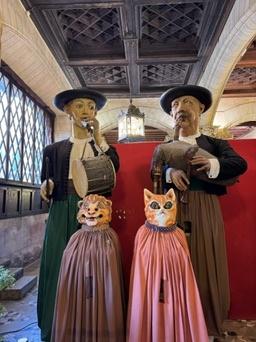
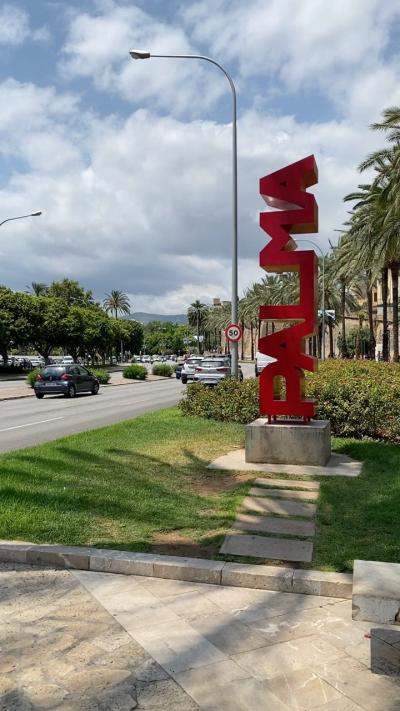
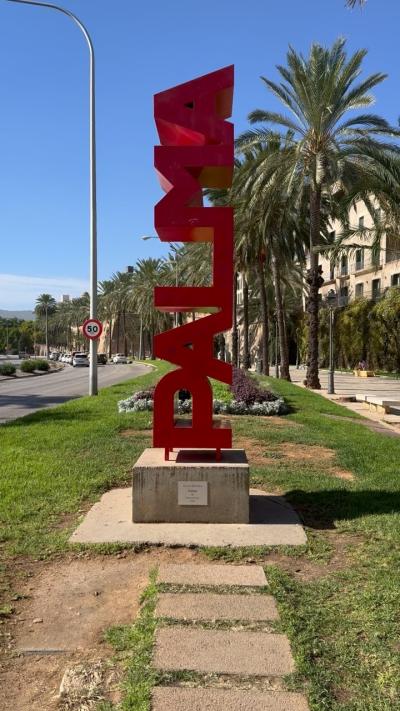
Palma
More Fotos

Related Questions
Related Question
Are there local markets near Palma where we can shop for fresh ingredients before a cooking class?
Related Question
Are there any guided cycling tours that explore Mallorca’s landscapes and towns?
Related Question
What unique dishes do the fast food places in Palma offer compared to other cities?