What role did Mallorca play during the Middle Ages in the Mediterranean?
Similar Topics
Mallorca history
Mediterranean trade
Middle Ages Mallorca
Moorish influence
Palma architecture
Reconquista Mallorca
cultural heritage Mallorca
medieval fortifications
travel destinations
agricultural products Mallorca
During the Middle Ages, Mallorca played a significant role in the Mediterranean as a strategic hub for trade and military operations. Its location between the Iberian Peninsula and North Africa made it an ideal stopover for merchants and travelers, facilitating the exchange of goods, culture, and ideas. The island was particularly valued for its fertile lands, which produced high-quality agricultural products, including olives, grapes, and grains, essential for sustaining the local population and supporting maritime trade routes.
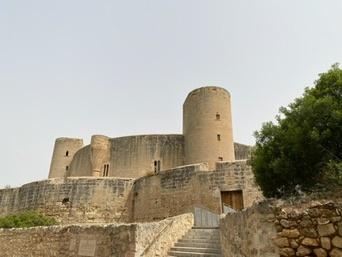
The influence of various cultures also marked Mallorca's medieval history. Initially, it was part of the Roman Empire, but after the fall of Rome, it became a focal point for the Moors in the 8th century. Under Moorish rule, the island flourished, with advancements in agriculture, architecture, and science. This period saw the construction of impressive fortifications and the establishment of Palma as the island's capital, which served as a critical naval base for Muslim fleets. The Reconquista in the 13th century led to its conquest by King James I of Aragon, integrating Mallorca into the Christian kingdoms and further elevating its status within the Mediterranean trade network.
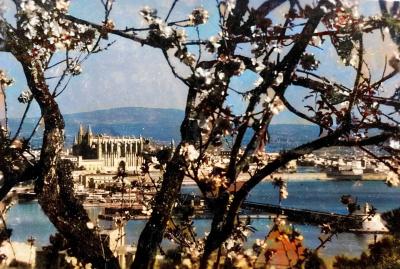
As a result of these historical developments, Mallorca emerged not just as a center of commerce but also as a melting pot of cultures. The blend of Christian and Muslim influences can still be seen today in the island's architecture and local customs, making it an intriguing destination for travelers interested in history. The medieval legacy of Mallorca is palpable in its charming old towns, ancient fortresses, and the stunning Gothic cathedral in Palma, which attract visitors eager to explore the island's rich past while enjoying its breathtaking natural beauty.
The influence of various cultures also marked Mallorca's medieval history. Initially, it was part of the Roman Empire, but after the fall of Rome, it became a focal point for the Moors in the 8th century. Under Moorish rule, the island flourished, with advancements in agriculture, architecture, and science. This period saw the construction of impressive fortifications and the establishment of Palma as the island's capital, which served as a critical naval base for Muslim fleets. The Reconquista in the 13th century led to its conquest by King James I of Aragon, integrating Mallorca into the Christian kingdoms and further elevating its status within the Mediterranean trade network.
As a result of these historical developments, Mallorca emerged not just as a center of commerce but also as a melting pot of cultures. The blend of Christian and Muslim influences can still be seen today in the island's architecture and local customs, making it an intriguing destination for travelers interested in history. The medieval legacy of Mallorca is palpable in its charming old towns, ancient fortresses, and the stunning Gothic cathedral in Palma, which attract visitors eager to explore the island's rich past while enjoying its breathtaking natural beauty.

More Fotos



Related Questions
Related Question
Are there special events or services held at monasteries and convents on the island?
Related Question
Are Mallorca's public buses suitable for travellers with young children and strollers?
Related Question
What are the most scenic cycling routes and viewpoints to visit around Mallorca?