How do the organic farming practices in Mallorca differ from those in other regions?
Similar Topics
Mallorca organic farming
sustainable agriculture Mallorca
Mediterranean climate farming
heirloom tomatoes Mallorca
community-supported agriculture
permaculture Mallorca
biodiversity in farming
traditional farming methods
local gastronomy Mallorca
Tramuntana mountains farming
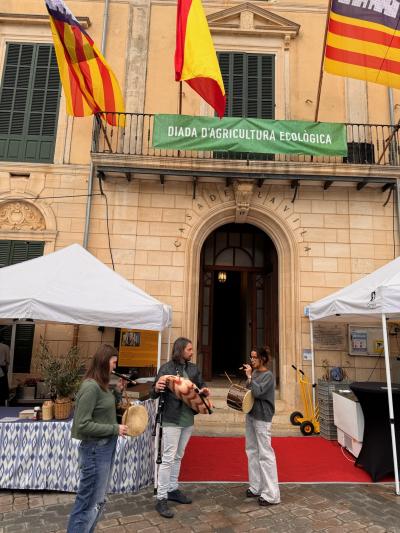
Mallorca's organic farming practices are distinguished by the island's unique climate, topography, and cultural traditions. The Mediterranean climate, characterized by warm, dry summers and mild, wet winters, provides an ideal environment for growing a variety of organic crops. Unlike many other regions that may rely heavily on industrial farming techniques, Mallorca emphasizes sustainability and biodiversity. Farmers here often cultivate traditional varieties of fruits and vegetables, such as heirloom tomatoes and almonds, which not only thrive in the local conditions but also reflect the island's agricultural heritage.
In addition to the focus on traditional crops, organic farming in Mallorca often incorporates permaculture principles that promote ecological balance. Many farmers utilize polyculture systems, where different crops are grown together to enhance soil health and reduce pests naturally. This contrasts with many other agricultural regions that may rely on monoculture farming and chemical inputs. Local farmers also engage in community-supported agriculture (CSA), allowing consumers to connect directly with the source of their food, fostering a sense of community and encouraging the consumption of fresh, seasonal produce.
Moreover, the island places a strong emphasis on the preservation of its natural environment and cultural landscape, which directly influences its organic practices. For instance, some farms are nestled within the scenic terraces of the Tramuntana mountains, where traditional farming methods are combined with modern organic techniques. This not only helps maintain the stunning vistas that attract visitors but also supports the local ecosystem. Ultimately, Mallorca's organic farming scene is a beautiful blend of tradition and innovation, making it a fascinating area for travelers interested in sustainable agriculture and local gastronomy.
In addition to the focus on traditional crops, organic farming in Mallorca often incorporates permaculture principles that promote ecological balance. Many farmers utilize polyculture systems, where different crops are grown together to enhance soil health and reduce pests naturally. This contrasts with many other agricultural regions that may rely on monoculture farming and chemical inputs. Local farmers also engage in community-supported agriculture (CSA), allowing consumers to connect directly with the source of their food, fostering a sense of community and encouraging the consumption of fresh, seasonal produce.
Moreover, the island places a strong emphasis on the preservation of its natural environment and cultural landscape, which directly influences its organic practices. For instance, some farms are nestled within the scenic terraces of the Tramuntana mountains, where traditional farming methods are combined with modern organic techniques. This not only helps maintain the stunning vistas that attract visitors but also supports the local ecosystem. Ultimately, Mallorca's organic farming scene is a beautiful blend of tradition and innovation, making it a fascinating area for travelers interested in sustainable agriculture and local gastronomy.
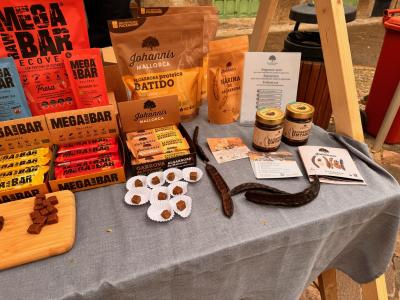
Porreres
More Fotos