What is the history behind the Almudaina Palace?
Similar Topics
Almudaina Palace
Mallorca history
Palma attractions
Spanish royal family
Moorish architecture
Gothic elements
Balearic Islands
royal ceremonies
cultural heritage
historical landmarks
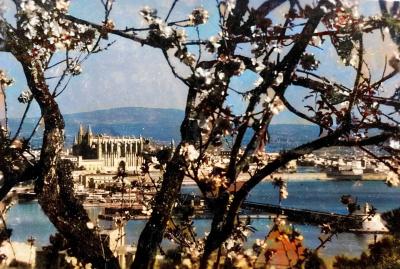
The Almudaina Palace, located in Palma, Mallorca, has a rich history that reflects the island's diverse cultural influences. Originally constructed in the 13th century, the palace was built on the site of a Muslim fortress, which itself was established during the time of the Moors when they ruled over the Balearic Islands. After the Christian conquest of Mallorca in 1229, King James I of Aragon transformed the fortress into a royal palace, signifying the shift from Islamic to Christian rule. This transition marked a new era for the island, as the palace became a symbol of royal power and governance.
Over the centuries, the Almudaina Palace has undergone various renovations and expansions, which have infused the structure with a blend of architectural styles. Its Gothic elements, combined with Moorish influences, create an intriguing visual narrative that tells the story of Mallorca's layered history. The palace served not only as a residence for the Spanish monarchy but also as a military stronghold, reflecting its importance in both civic and military affairs throughout different periods. Today, visitors can explore the stunning courtyards, grand halls, and beautiful gardens that showcase the palace's historical significance and artistic beauty.
In contemporary times, the Almudaina Palace remains an official residence of the Spanish royal family when they visit Mallorca, adding to its allure as a living historical landmark. The palace is also open to the public, allowing visitors to appreciate its majestic architecture and rich history firsthand. As you stroll through its halls, you'll find yourself surrounded by centuries of stories, from the medieval battles that shaped the island to the royal ceremonies that continue to take place today. This blend of past and present makes the Almudaina Palace a must-visit destination for anyone looking to delve into the heart of Mallorca's cultural heritage.
Over the centuries, the Almudaina Palace has undergone various renovations and expansions, which have infused the structure with a blend of architectural styles. Its Gothic elements, combined with Moorish influences, create an intriguing visual narrative that tells the story of Mallorca's layered history. The palace served not only as a residence for the Spanish monarchy but also as a military stronghold, reflecting its importance in both civic and military affairs throughout different periods. Today, visitors can explore the stunning courtyards, grand halls, and beautiful gardens that showcase the palace's historical significance and artistic beauty.
In contemporary times, the Almudaina Palace remains an official residence of the Spanish royal family when they visit Mallorca, adding to its allure as a living historical landmark. The palace is also open to the public, allowing visitors to appreciate its majestic architecture and rich history firsthand. As you stroll through its halls, you'll find yourself surrounded by centuries of stories, from the medieval battles that shaped the island to the royal ceremonies that continue to take place today. This blend of past and present makes the Almudaina Palace a must-visit destination for anyone looking to delve into the heart of Mallorca's cultural heritage.

More Fotos