Are there notable natural rock formations or geological sights to explore along Mallorca’s coastal routes?
Similar Topics
mallorca rock formations
serra de tramuntana
cap de formentor
torrent de pareis
cala mondrago
ma-10 route
tib bus mallorca
soller railway
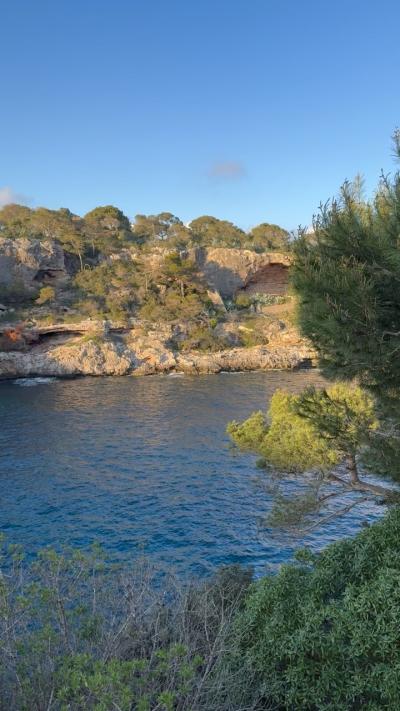
Recent improvements to Mallorca’s network of coastal trails and rural roads have made discovering its natural rock formations more accessible than ever. Along the northern stretches near Cap de Formentor and the cliffs above Cala Figuera, dramatic limestone outcrops rise sharply from azure waters, shaped over millennia by wind and sea. These striking features stand alongside secluded coves and hidden beaches, creating a rugged landscape that rewards those who venture off the beaten path.
Travelers following the winding Ma-10 through the Serra de Tramuntana will find themselves immersed in a UNESCO World Heritage area marked by unique geological contrasts — from sheer mountain faces to terraced valleys. Near towns like Valldemossa and Deià, you can spot imposing rock towers and deep ravines, where erosion and ancient tectonic shifts tell the island’s long story. The nearby Torrent de Pareis gorge, with its soaring limestone walls, remains a favorite for hikers and nature lovers seeking spectacular scenery.
On the southeast coast, around Cala Mondragó and Cala Llombards, the softer sandstone has weathered into smoother, rounded formations that complement the golden sand and turquoise water. The interplay between rocks and light here is captivating at sunrise and sunset. For visitors not driving, the TIB buses connect many of these spots with Palma and other towns, making it easier to explore without a car. Whether arriving by the historic Soller train or setting off from the capital, the island’s varied rock formations offer a rich tableau for anyone interested in natural beauty and geology.
Travelers following the winding Ma-10 through the Serra de Tramuntana will find themselves immersed in a UNESCO World Heritage area marked by unique geological contrasts — from sheer mountain faces to terraced valleys. Near towns like Valldemossa and Deià, you can spot imposing rock towers and deep ravines, where erosion and ancient tectonic shifts tell the island’s long story. The nearby Torrent de Pareis gorge, with its soaring limestone walls, remains a favorite for hikers and nature lovers seeking spectacular scenery.
On the southeast coast, around Cala Mondragó and Cala Llombards, the softer sandstone has weathered into smoother, rounded formations that complement the golden sand and turquoise water. The interplay between rocks and light here is captivating at sunrise and sunset. For visitors not driving, the TIB buses connect many of these spots with Palma and other towns, making it easier to explore without a car. Whether arriving by the historic Soller train or setting off from the capital, the island’s varied rock formations offer a rich tableau for anyone interested in natural beauty and geology.

More Fotos