How do the climate and soil in Mallorca influence organic wine production?
Similar Topics
Mallorca wine
organic wine production
Mediterranean climate
grape cultivation
Mallorca soil
wine flavor profiles
clay limestone soils
sandy soils
terroir in wine
holistic farming practices
Mallorca's climate plays a significant role in shaping the organic wine production on the island. The Mediterranean climate, characterized by hot, dry summers and mild, wet winters, creates an ideal environment for grape cultivation. The long hours of sunshine during the growing season allow the grapes to ripen fully, which enhances their flavor profiles. Additionally, the gentle sea breezes help to moderate temperatures and can protect the vines from extreme heat, reducing the risk of stress on the plants. This combination of warmth and sunlight allows organic vineyards to thrive while maintaining low humidity levels, which is essential for preventing fungal diseases that can affect grape quality.
The soil in Mallorca further complements its favorable climate for organic wine production. The island's diverse geological composition includes clay, limestone, and sandy soils, each contributing unique characteristics to the grapes. For instance, the presence of limestone helps with drainage and adds a mineral complexity to the wines, while the clay retains moisture, ensuring that the vines have access to water during drier periods. Organic practices, which avoid synthetic fertilizers and pesticides, allow the natural terroir to shine through, leading to wines that are not only reflective of the local environment but also exhibit the distinct flavors that come from the island's unique soil composition. This holistic approach to farming, combined with Mallorca's climate and geography, results in organic wines that capture the essence of the island itself, making them a delightful choice for both locals and visitors alike.
The soil in Mallorca further complements its favorable climate for organic wine production. The island's diverse geological composition includes clay, limestone, and sandy soils, each contributing unique characteristics to the grapes. For instance, the presence of limestone helps with drainage and adds a mineral complexity to the wines, while the clay retains moisture, ensuring that the vines have access to water during drier periods. Organic practices, which avoid synthetic fertilizers and pesticides, allow the natural terroir to shine through, leading to wines that are not only reflective of the local environment but also exhibit the distinct flavors that come from the island's unique soil composition. This holistic approach to farming, combined with Mallorca's climate and geography, results in organic wines that capture the essence of the island itself, making them a delightful choice for both locals and visitors alike.
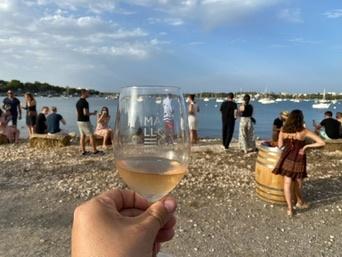
Cala Marçal
More Fotos