Is there a history behind bullfighting in Mallorca that I should know about?
Similar Topics
bullfighting history
Mallorca culture
animal rights
Mallorca traditions
Palma bullring
correbou
Mallorca festivals
societal values
cultural heritage
animal welfare
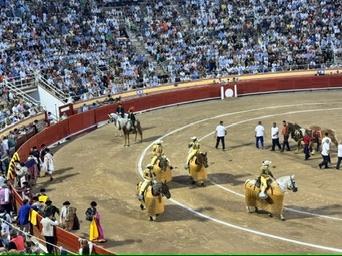
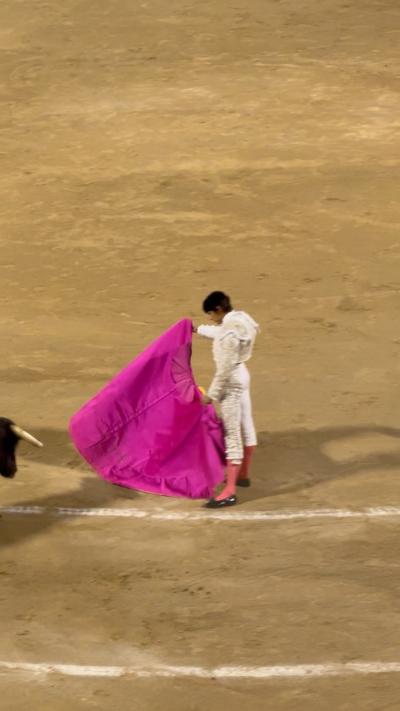
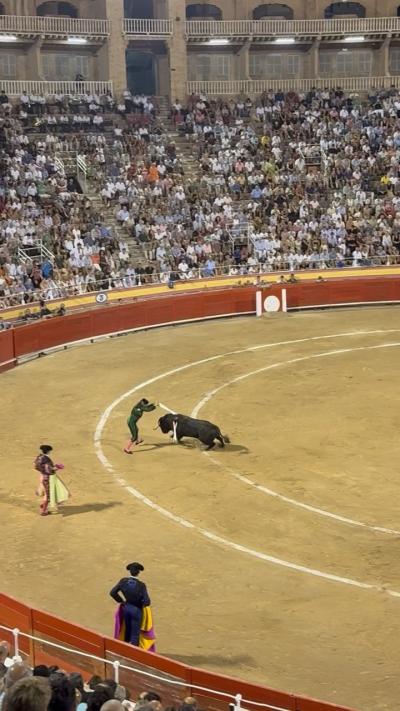
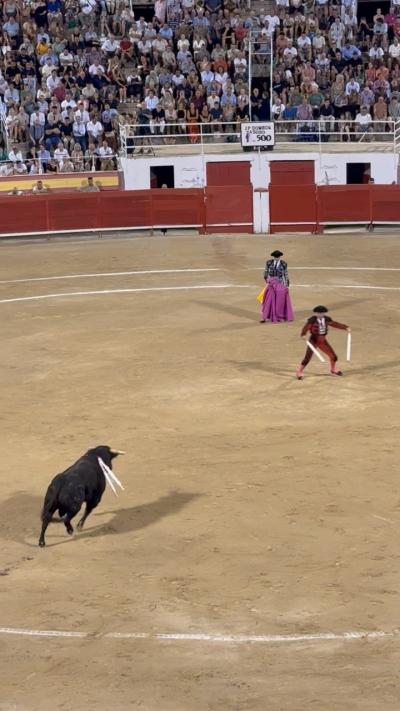
Bullfighting in Mallorca has a rich and complex history that reflects both the cultural heritage of the island and its evolving societal values. The tradition dates back to the 18th century, when bullfighting was introduced as a form of entertainment, akin to the practices found in mainland Spain. During this time, the spectacle became deeply ingrained in local festivities, often intertwined with religious celebrations and community gatherings. The iconic bullrings, such as the one in Palma, were built to host these events, showcasing the skill and bravery of the matadors and drawing crowds from across the island.
However, as societal attitudes towards animal rights have changed over the years, the popularity of bullfighting has waned considerably in Mallorca. Increasing awareness and sensitivity towards animal welfare have led to growing opposition against the practice. In recent years, the Mallorcan government has enacted measures to promote alternatives to traditional bullfighting, such as the more humane "correbou," where bulls are not killed but rather run through the streets in a festive atmosphere. This shift reflects a broader trend across Spain, where many regions are re-evaluating their relationship with this controversial tradition.
For visitors interested in experiencing the cultural nuances of Mallorca, it is essential to approach bullfighting with an understanding of its historical context and current debates. While you may find some events still taking place, they are often met with protests and discussions surrounding animal rights. Engaging with locals and learning about their perspectives can provide a deeper appreciation for the island's culture and the ongoing dialogue about traditions and modern values.
However, as societal attitudes towards animal rights have changed over the years, the popularity of bullfighting has waned considerably in Mallorca. Increasing awareness and sensitivity towards animal welfare have led to growing opposition against the practice. In recent years, the Mallorcan government has enacted measures to promote alternatives to traditional bullfighting, such as the more humane "correbou," where bulls are not killed but rather run through the streets in a festive atmosphere. This shift reflects a broader trend across Spain, where many regions are re-evaluating their relationship with this controversial tradition.
For visitors interested in experiencing the cultural nuances of Mallorca, it is essential to approach bullfighting with an understanding of its historical context and current debates. While you may find some events still taking place, they are often met with protests and discussions surrounding animal rights. Engaging with locals and learning about their perspectives can provide a deeper appreciation for the island's culture and the ongoing dialogue about traditions and modern values.
Palma
More Fotos