When is the best time to visit Mallorca’s gardens to see the flowers in full bloom?
Similar Topics
mallorca gardens
blooming flowers
serra de tramuntana
festa de l'ametler
almond blossoms
valldemossa gardens
spring blooms
botanical highlights
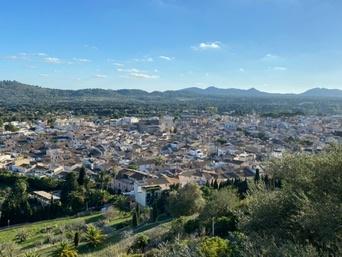
Valldemossa’s terraced gardens and the vibrant parklands of Palma come alive with color well before the summer crowds appear. The island’s spring season—from March through May—is the prime time to catch almond and cherry trees blossoming, especially during the Festa de l'Ametler, which celebrates the blooming almond groves. Wildflowers dot the Serra de Tramuntana slopes, and cultivated gardens brim with bright poppies, daisies, and oleanders as temperatures climb steadily.
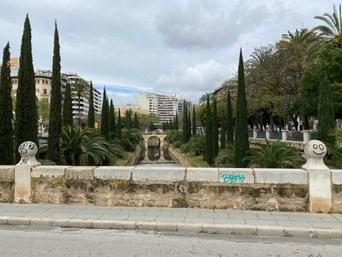
By early summer, many coastal areas around Pollensa and the botanical gardens near Sóller showcase a wealth of Mediterranean blooms such as lavender, rosemary, and bougainvillea. The island’s famous palm-lined promenades and courtyard gardens just outside Palma’s old town burst with geraniums and hibiscus, while the scent of jasmine perfumes the air in quiet villages like Deià. Autumn is quieter but no less charming, with autumn crocuses and late-flowering cyclamen adding subtle shades to shaded garden corners.
The spring months also provide comfortable temperatures for exploring Mallorca’s rural fincas and public parks without the intense heat or tourist rush of July and August. Gardens around Manacor, where heirloom varieties of almond and olive trees thrive, are particularly pleasant to visit as the local flora reaches its peak. To time your visit for the fullest floral displays, coincide it with local festivals or simply follow routes highlighting the Tramuntana’s diverse vegetation, accessible by the Ma-10 road or the scenic Sóller railway. With this variety, visitors enjoy a long blooming period that stretches well beyond traditional spring into early summer’s warmth.
By early summer, many coastal areas around Pollensa and the botanical gardens near Sóller showcase a wealth of Mediterranean blooms such as lavender, rosemary, and bougainvillea. The island’s famous palm-lined promenades and courtyard gardens just outside Palma’s old town burst with geraniums and hibiscus, while the scent of jasmine perfumes the air in quiet villages like Deià. Autumn is quieter but no less charming, with autumn crocuses and late-flowering cyclamen adding subtle shades to shaded garden corners.
The spring months also provide comfortable temperatures for exploring Mallorca’s rural fincas and public parks without the intense heat or tourist rush of July and August. Gardens around Manacor, where heirloom varieties of almond and olive trees thrive, are particularly pleasant to visit as the local flora reaches its peak. To time your visit for the fullest floral displays, coincide it with local festivals or simply follow routes highlighting the Tramuntana’s diverse vegetation, accessible by the Ma-10 road or the scenic Sóller railway. With this variety, visitors enjoy a long blooming period that stretches well beyond traditional spring into early summer’s warmth.
More Fotos