What kinds of wildlife and natural habitats can I see while exploring Mallorca’s protected areas?
Similar Topics
mallorca wildlife
serra de tramuntana
es trenc wetlands
alcudia birds
formentor nature park
balearic lizard
ma-10 road
biodiversity conservation
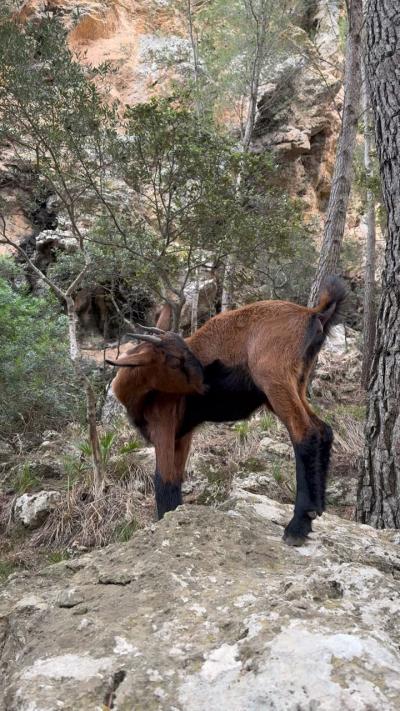
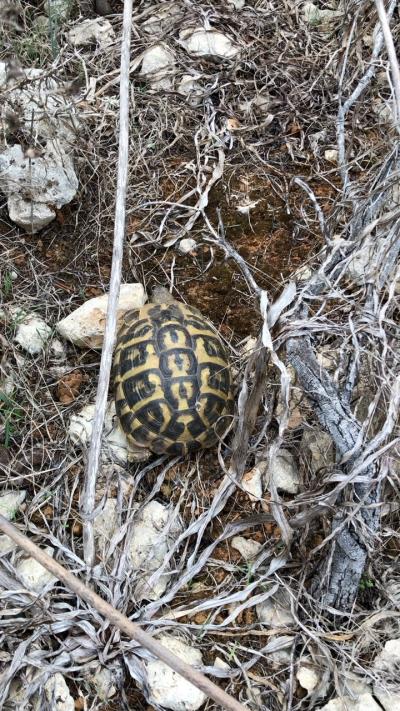
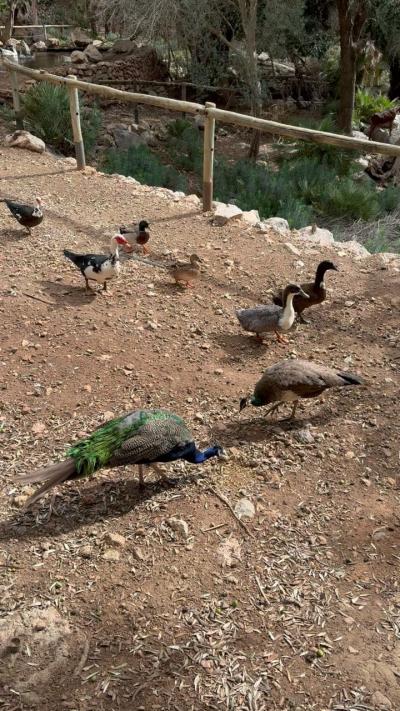
The island’s varied landscapes, from the rugged Serra de Tramuntana to the salt flats around Es Trenc, create a mosaic of habitats supporting diverse wildlife. Ancient pine forests near Valldemossa and Deia shelter songbirds and reptiles, while wetlands around Alcudia’s bay attract flamingos and other waterfowl during migration seasons. You may spot kestrels hovering above the cliffs or the occasional Bonelli’s eagle soaring high over the Tramuntana peaks.
In the quieter coves like Cala Mondrago, the coastal scrub and clear waters provide refuge for Mediterranean plants and marine life alike, with posidonia seagrass meadows playing a vital role in the underwater ecosystem. Inland, the dry stone terraces that shape the landscape around Pollenca support endemic wildflowers and insects, an emblem of Mallorca’s rich biodiversity. It’s not unusual to hear the characteristic call of the Balearic lizard or glimpse a shy rabbit amid the terraced farmland.
Local conservation efforts, such as those governing Formentor Natural Park and areas near Soller, emphasize protecting these fragile environments while allowing responsible visitor access. For those traveling by TIB bus or along the Ma-10, it’s rewarding to pause at well-marked trails and information points, where you can learn about ongoing projects to preserve both the flora and fauna. Exploring these natural spaces not only brings encounters with native wildlife but also a deeper appreciation for the island’s environmental heritage and the importance of sustainable tourism.

More Fotos