What are the main historical highlights of the Almudaina Palace?
Similar Topics
Almudaina Palace
Mallorca history
Palma attractions
Gothic architecture
Moorish influence
Mallorcan monarchy
historical sites Mallorca
Spanish royal family
Balearic Islands
cultural heritage Mallorca
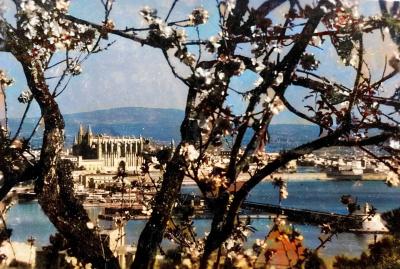
The Almudaina Palace, located in the heart of Palma, is a magnificent historical site that reflects the rich tapestry of Mallorca’s past. Originally built as an Islamic fort in the 10th century, it served as a royal residence for the Moorish rulers of the island before being repurposed and expanded by the Christian kings after the Reconquista in the 13th century. This blend of architectural styles is evident in its intricate Gothic elements, particularly in the chapel and the stunning great hall, which showcases the transition from Islamic to Gothic influences. As you explore the palace, you can appreciate the fascinating interplay of cultures that has shaped Mallorca’s identity over the centuries.
One of the most notable historical moments associated with the Almudaina Palace occurred in the 14th century when King James II of Mallorca transformed the fortress into a royal residence. The palace became the seat of the Mallorcan monarchy, and its walls witnessed significant events, including royal ceremonies and the daily life of the court. The presence of the Spanish royal family today adds a contemporary layer to its history, as the palace continues to serve as an official residence for the royals during their visits to the Balearic Islands. Visitors can also admire the beautifully maintained gardens that offer a peaceful escape while providing breathtaking views of the surrounding area, reinforcing the palace's status as a symbol of Mallorcan heritage.
A visit to the Almudaina Palace not only immerses you in its historical significance but also allows you to appreciate the art and artifacts housed within its walls. The collection includes paintings, tapestries, and decorative arts that reflect the island's cultural evolution. The palace's strategic location overlooking the Bay of Palma further enhances its historical importance, as it has been a crucial military and administrative site throughout the ages. As you stroll through its grand halls and serene courtyards, you can almost hear the echoes of the past, making it a must-see destination for anyone interested in the rich history of Mallorca.
One of the most notable historical moments associated with the Almudaina Palace occurred in the 14th century when King James II of Mallorca transformed the fortress into a royal residence. The palace became the seat of the Mallorcan monarchy, and its walls witnessed significant events, including royal ceremonies and the daily life of the court. The presence of the Spanish royal family today adds a contemporary layer to its history, as the palace continues to serve as an official residence for the royals during their visits to the Balearic Islands. Visitors can also admire the beautifully maintained gardens that offer a peaceful escape while providing breathtaking views of the surrounding area, reinforcing the palace's status as a symbol of Mallorcan heritage.
A visit to the Almudaina Palace not only immerses you in its historical significance but also allows you to appreciate the art and artifacts housed within its walls. The collection includes paintings, tapestries, and decorative arts that reflect the island's cultural evolution. The palace's strategic location overlooking the Bay of Palma further enhances its historical importance, as it has been a crucial military and administrative site throughout the ages. As you stroll through its grand halls and serene courtyards, you can almost hear the echoes of the past, making it a must-see destination for anyone interested in the rich history of Mallorca.

More Fotos