What is the origin of the name Cala deia, and what makes it special?
Similar Topics
cala deià
serra de tramuntana
ma-10 road
pa amb oli
sobrassada
binissalem wine
mallorca coves
deia village
The name Cala Deià refers to both the charming cove and the nearby village that has inspired artists and writers for decades. 'Cala' means cove in Catalan, while 'Deià' is thought to have roots in ancient place names possibly linked to local landowners or early settlement. The spot’s natural beauty has long drawn residents seeking quiet and creativity, rather than simply lending a historical anecdote like a monk’s presence.
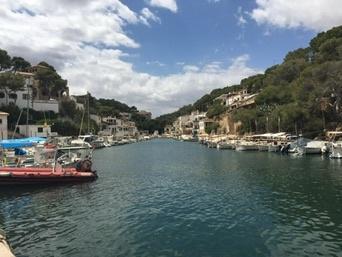
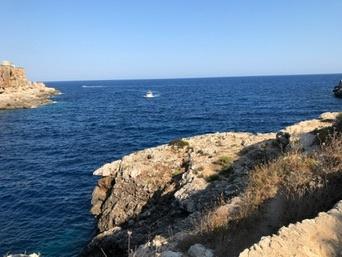
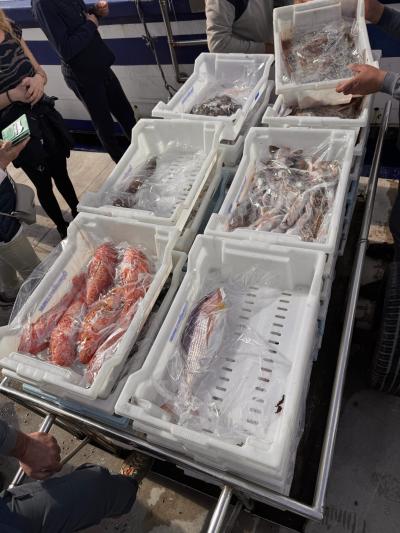
Nestled on the rugged northwest coast beneath the Serra de Tramuntana, Cala Deià stands out for its pebbled beach framed by dramatic cliffs and crystal-clear turquoise waters. It’s far smaller and less crowded than the island’s sandy shores like Es Trenc or Cala Llombards, yet it offers a wild charm that resonates with visitors looking for tranquility amid stunning surroundings. Local fisherman boats still dock here, and the water’s calm surface invites swimming and snorkeling.
The village of Deià above the cove remains a cultural hub, filled with stone houses, artisan shops, and Mediterranean restaurants where you can sample island specialities such as pa amb oli with sobrassada or a glass of Binissalem wine. The Ma-10 road connects this serene enclave to Palma and Sóller, making a visit to Cala Deià a rewarding escape into Mallorca’s artistic heritage and natural splendor.
Nestled on the rugged northwest coast beneath the Serra de Tramuntana, Cala Deià stands out for its pebbled beach framed by dramatic cliffs and crystal-clear turquoise waters. It’s far smaller and less crowded than the island’s sandy shores like Es Trenc or Cala Llombards, yet it offers a wild charm that resonates with visitors looking for tranquility amid stunning surroundings. Local fisherman boats still dock here, and the water’s calm surface invites swimming and snorkeling.
The village of Deià above the cove remains a cultural hub, filled with stone houses, artisan shops, and Mediterranean restaurants where you can sample island specialities such as pa amb oli with sobrassada or a glass of Binissalem wine. The Ma-10 road connects this serene enclave to Palma and Sóller, making a visit to Cala Deià a rewarding escape into Mallorca’s artistic heritage and natural splendor.
Cala Figuera
More Fotos