Are there any unique architectural styles in Palma that tell its story?
Similar Topics
Palma architecture
Gothic architecture
La Seu Cathedral
Moorish architecture
Almudaina Palace
historical buildings Palma
19th-century architecture
modern architecture Palma
Mallorca cultural heritage
Palma old town
Palma, the vibrant capital of Mallorca, showcases a captivating array of architectural styles that reflect its rich history and cultural evolution. One of the most striking features is the Gothic architecture, epitomized by the stunning La Seu Cathedral. This monumental structure, completed in the 20th century, stands as a testament to the city's medieval past and is a focal point of Palma's skyline. Its intricate façades, soaring towers, and beautiful stained glass windows tell stories of the city’s religious significance and artistic endeavors throughout the centuries.
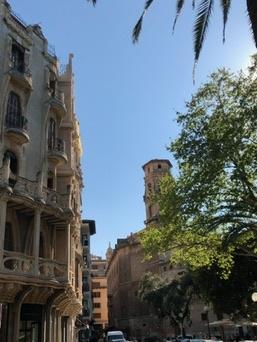
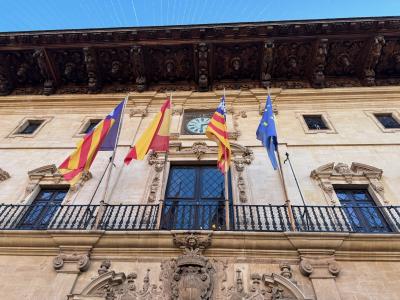
In addition to Gothic influences, you’ll find examples of Moorish architecture scattered across Palma. The Almudaina Palace, originally an Arab fortress, beautifully blends Islamic design with later Gothic elements, illustrating the city's diverse cultural heritage. The use of horseshoe arches, intricate tile work, and serene courtyards in such structures speaks to the Moorish period's lasting impact on the island's identity. Walking through the narrow streets of the old town, you can also admire the charming 19th-century buildings, characterized by their colorful façades, wrought iron balconies, and decorative ceramic tiles, which reflect the island's adaptation to modern styles while honoring its historical roots.
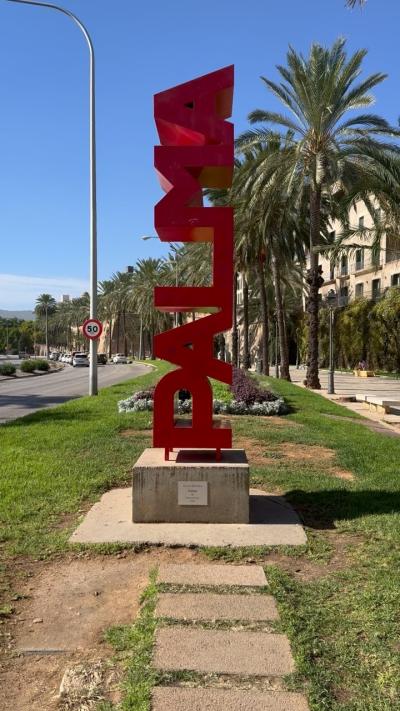
Furthermore, the contemporary architectural scene in Palma is on the rise, with innovative designs that harmoniously coexist with the city's traditional aesthetics. The blend of old and new is evident in various public spaces and modernist buildings, which serve as a reminder of Palma's ongoing evolution. Each architectural style you encounter tells a piece of Palma's story, inviting visitors to delve deeper into the layers of history that have shaped this enchanting city over time.
In addition to Gothic influences, you’ll find examples of Moorish architecture scattered across Palma. The Almudaina Palace, originally an Arab fortress, beautifully blends Islamic design with later Gothic elements, illustrating the city's diverse cultural heritage. The use of horseshoe arches, intricate tile work, and serene courtyards in such structures speaks to the Moorish period's lasting impact on the island's identity. Walking through the narrow streets of the old town, you can also admire the charming 19th-century buildings, characterized by their colorful façades, wrought iron balconies, and decorative ceramic tiles, which reflect the island's adaptation to modern styles while honoring its historical roots.
Furthermore, the contemporary architectural scene in Palma is on the rise, with innovative designs that harmoniously coexist with the city's traditional aesthetics. The blend of old and new is evident in various public spaces and modernist buildings, which serve as a reminder of Palma's ongoing evolution. Each architectural style you encounter tells a piece of Palma's story, inviting visitors to delve deeper into the layers of history that have shaped this enchanting city over time.
Palma
More Fotos