How is the carob harvest carried out on Mallorca compared to other fruit crops?
Similar Topics
carob harvest
mallorca agriculture
carob pods
tramuntana farming
carob drying
traditional harvest
carob processing
mediterranean crops
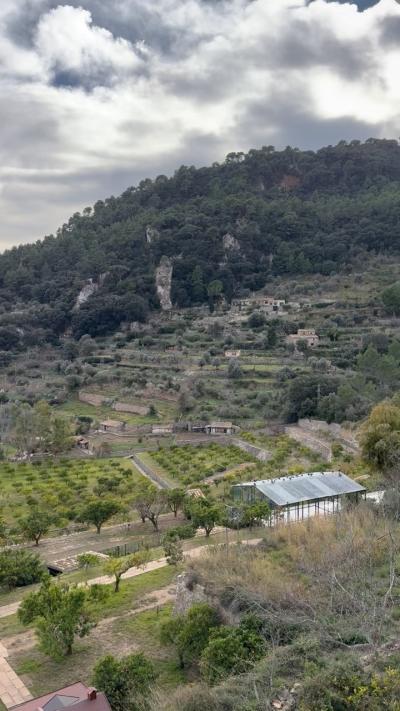
Locals on the island tend to approach the carob harvest with a rhythm shaped by the Mediterranean climate and traditional practices rather than modern industrial methods. Carob trees, scattered across rural fincas and along the foothills of the Serra de Tramuntana, produce hard, brown pods that ripen in late summer. Unlike softer fruits like almonds or figs picked moist and fresh, carob pods must be fully mature but not overly dry before harvest to maintain their natural sweetness. This balance is crucial since overly dry pods lose flavor and quality, so harvesting is carefully timed when pods begin to darken and harden.
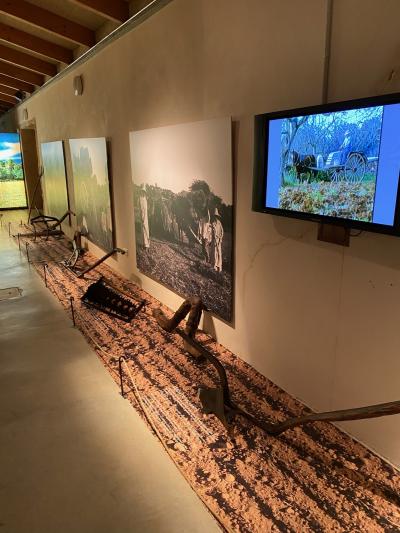
Harvesting is usually a manual affair: branches are shaken by hand or gently beaten with sticks, causing the pods to drop onto tarps spread beneath the trees. This method differs from fruit picked directly from branches or plucked in clusters, as the pods fall free and need collecting from the ground. The pods are then sun-dried, often across terraced courtyards in villages like Valldemossa, enhancing their sugar concentration while allowing for longer storage without refrigeration. The drying process is key to turning these tough, fibrous pods into a sweet, usable ingredient.
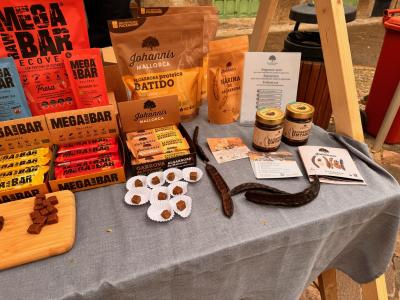
Following drying, carob pods undergo cracking and seed removal before being ground into the familiar sweet powder or syrup often found in local markets. This processing contrasts with nearby crops such as olives, which are pressed fresh into oil, or almonds and citrus, typically consumed whole or juiced. The carob’s resilience to heat and simple processing reflect Mallorca’s agricultural heritage, particularly in more mountainous or arid areas where water-intensive crops struggle. This longstanding tradition gives a glimpse into the island’s rural life and the subtle patience farmers exercise every autumn during the carob season.
Harvesting is usually a manual affair: branches are shaken by hand or gently beaten with sticks, causing the pods to drop onto tarps spread beneath the trees. This method differs from fruit picked directly from branches or plucked in clusters, as the pods fall free and need collecting from the ground. The pods are then sun-dried, often across terraced courtyards in villages like Valldemossa, enhancing their sugar concentration while allowing for longer storage without refrigeration. The drying process is key to turning these tough, fibrous pods into a sweet, usable ingredient.
Following drying, carob pods undergo cracking and seed removal before being ground into the familiar sweet powder or syrup often found in local markets. This processing contrasts with nearby crops such as olives, which are pressed fresh into oil, or almonds and citrus, typically consumed whole or juiced. The carob’s resilience to heat and simple processing reflect Mallorca’s agricultural heritage, particularly in more mountainous or arid areas where water-intensive crops struggle. This longstanding tradition gives a glimpse into the island’s rural life and the subtle patience farmers exercise every autumn during the carob season.
Porreres
More Fotos