How are residents in towns like Soller and Pollenca preserving their historical economic heritage today?
Similar Topics
historic preservation
soller heritage
pollenca traditions
mallorca crafts
tramuntana villages
local festivals
sobrassada
mallorca museums
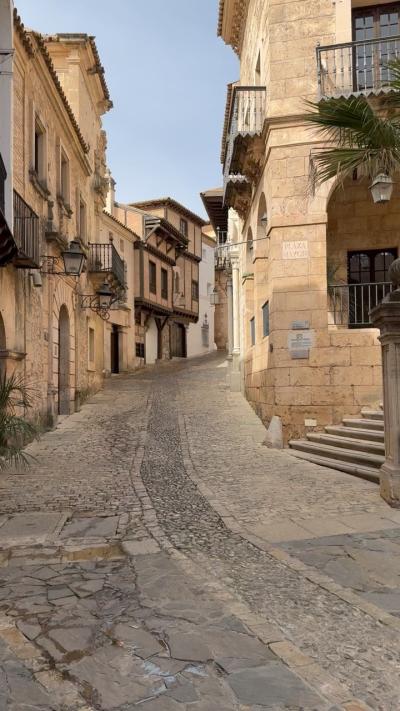
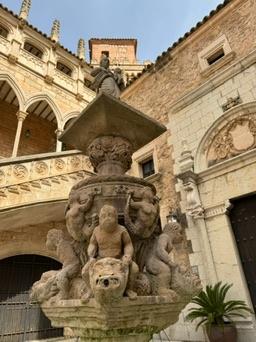
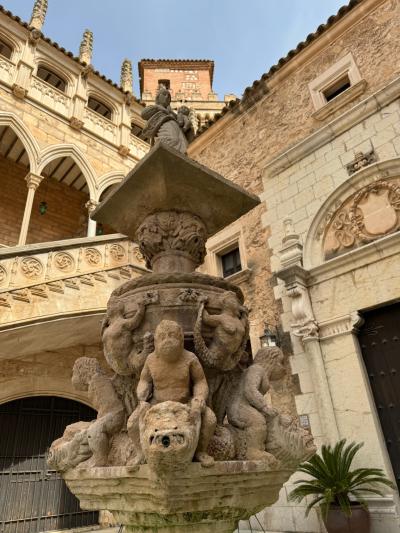
If you wander through the cobbled streets of Soller or explore the old quarters of Pollenca, you'll quickly notice how local people cherish their unique past. Many towns across the Tramuntana foothills and north coast carefully maintain their historic buildings and traditional stone houses, keeping alive the legacy of agriculture and craftsmanship that shaped the island's economy. This respect for heritage is visible in lively village markets and festivals, where sobrassada makers, olive oil producers, and artisans display their wares, connecting visitors directly to Mallorca's rural traditions.
In places like Valldemossa and Deia, small museums and cultural centers often tell the story of the island's shift from an agricultural base to modern tourism, highlighting the almond blossom harvest and the once-thriving cork industry. These institutions, supported by locals who volunteer as guides or storytellers, help preserve knowledge passed between generations. They bring to life the way local families adapted through times of change, whether by diversifying their crafts or embracing new opportunities along the Ma-10 or coastal roads.
Meanwhile, traditional products such as pa amb oli and ensaimada remain central to community identity. Local artisans and small enterprises promote these culinary treasures alongside regional Binissalem wines or herbal liquors like Hierbas and Palo, blending historical roots with contemporary appreciation. Annual events such as Sant Sebastià or the Festa de l'Ametler not only celebrate religious or agricultural cycles but also reinvigorate communal pride and ensure that the island’s economic narrative continues to be a living, evolving story.
In places like Valldemossa and Deia, small museums and cultural centers often tell the story of the island's shift from an agricultural base to modern tourism, highlighting the almond blossom harvest and the once-thriving cork industry. These institutions, supported by locals who volunteer as guides or storytellers, help preserve knowledge passed between generations. They bring to life the way local families adapted through times of change, whether by diversifying their crafts or embracing new opportunities along the Ma-10 or coastal roads.
Meanwhile, traditional products such as pa amb oli and ensaimada remain central to community identity. Local artisans and small enterprises promote these culinary treasures alongside regional Binissalem wines or herbal liquors like Hierbas and Palo, blending historical roots with contemporary appreciation. Annual events such as Sant Sebastià or the Festa de l'Ametler not only celebrate religious or agricultural cycles but also reinvigorate communal pride and ensure that the island’s economic narrative continues to be a living, evolving story.

Cala Llombards
More Fotos