What influence do other cultures have on Mallorcan food?
- Mallorcan food
- Mediterranean diet
- Cultural influences
- Traditional recipes
- Local markets
- Moorish cuisine
- Spanish gastronomy
- Culinary heritage
- Fresh ingredients
- Mallorca travel
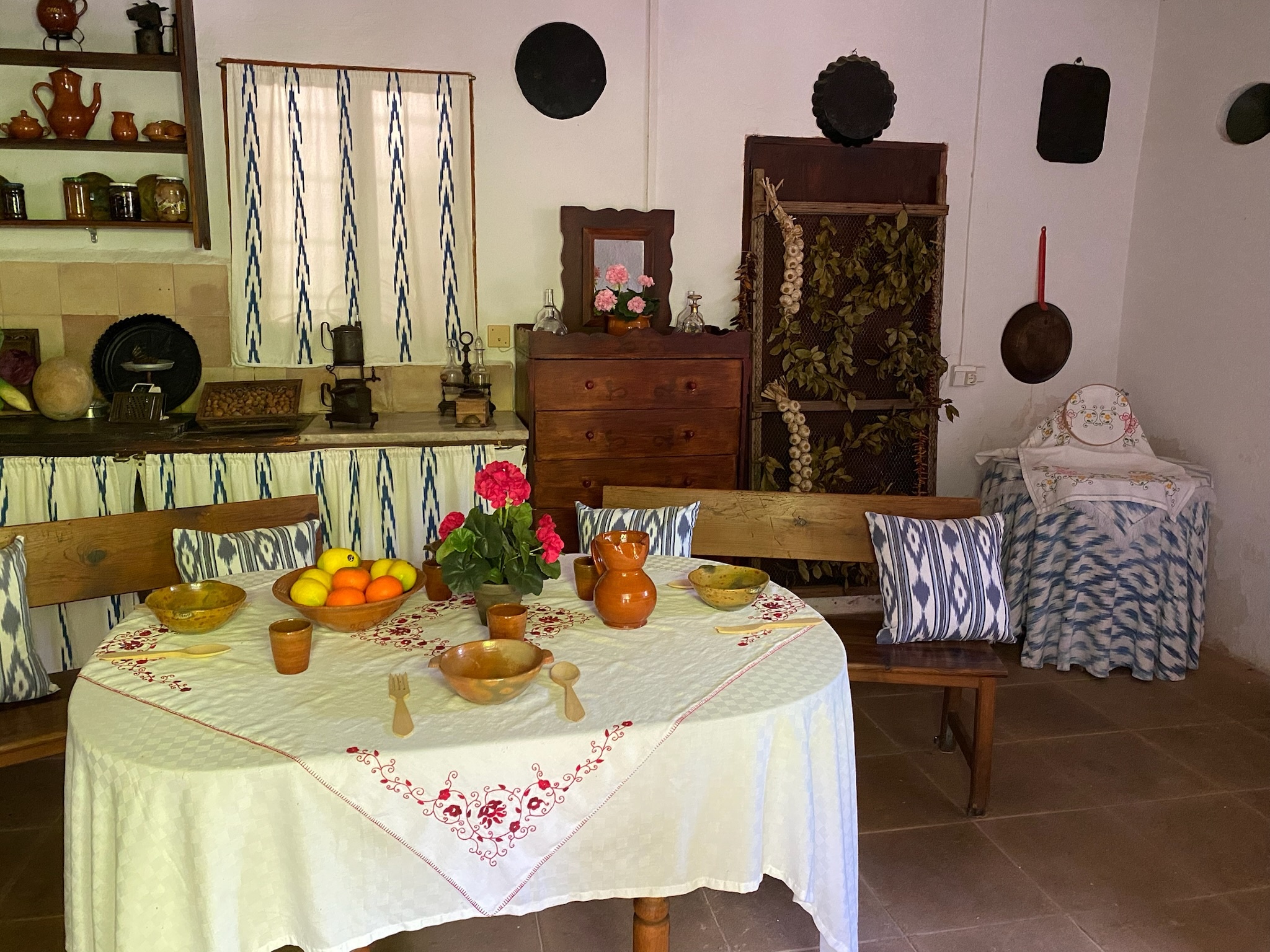
Mallorcan food is a delightful tapestry woven from various cultural influences, reflecting the island's rich history as a crossroads of civilizations. Over centuries, different cultures have left their mark on the local cuisine, particularly the Romans, Moors, and even the British. The Moors, who ruled the island for several centuries, introduced a variety of spices, vegetables, and cooking techniques that are still prevalent in Mallorcan dishes today. Ingredients such as saffron, almonds, and olives became staples, contributing to the distinctive flavors found in traditional recipes like *tumbet* and *sobrasada*.
Additionally, the Mediterranean diet, which is deeply ingrained in Mallorcan culture, showcases the influence of neighboring regions such as Italy and France. The use of fresh fish, seasonal vegetables, and herbs is a testament to this shared culinary heritage. Local dishes often feature a combination of ingredients that highlight the island’s bountiful produce, such as tomatoes, peppers, and eggplants, which were integrated through trade and cultural exchange. Moreover, the British influence, particularly in the 19th and 20th centuries, has introduced elements like tea time and certain baked goods, further enriching the culinary landscape.
The fusion of these diverse influences has resulted in a unique Mallorcan identity that celebrates both traditional flavors and modern twists. Visitors can experience this vibrant culinary scene in local markets, where the lively atmosphere and the array of fresh ingredients reflect the island’s multicultural roots. Whether enjoying a hearty *ensaimada* or savoring a dish of *arroz brut*, you will find that each bite tells a story of the island's rich heritage and the various cultures that have shaped its gastronomic identity over the ages.