What are some lesser-known places to explore around Palma and the Tramuntana mountains?
Similar Topics
hidden gems
fornalutx village
cala pi beach
pollentia ruins
soller railway
serra de tramuntana
binissalem wine
sobrassada
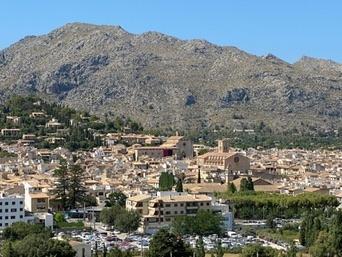
Alongside the lively streets of Palma and the well-trodden paths of the Serra de Tramuntana, a wealth of quieter spots await discovery. The village of Fornalutx, often overshadowed by nearby Sóller, offers cobbled lanes lined with stone houses and orange trees, where local artisans sell handmade ceramics and olive oil. Strolling through its peaceful squares feels like stepping into a postcard from a gentler era.
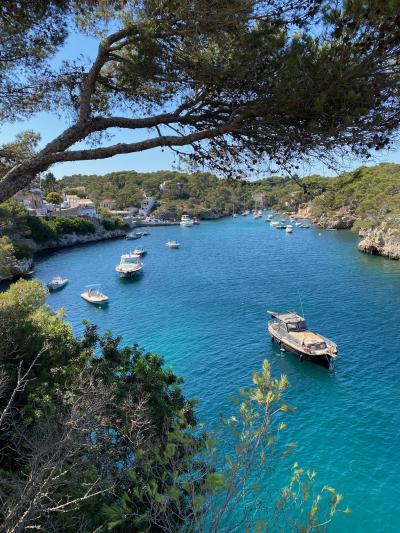
Not far from the coast, Cala Pi hides a rugged cove with turquoise waters, far less crowded than the famous Cala Mondragó or Es Trenc beaches. The surrounding cliffs and pine forests invite tranquil walks, perfect for those wanting to escape the summer bustle. Early mornings often bring the soft calls of native birds and the scent of pine mingling with the sea breeze.
History buffs might appreciate the small, almost forgotten remains of the Roman village of Pollentia near Alcúdia. It provides a quiet contrast to the island’s livelier towns and a chance to imagine the past away from the busy tourist routes. Sampling local specialties like sobrassada or a glass of Binissalem wine in a nearby café deepens the experience, connecting visitors to the island’s rich culture in subtle ways.
Not far from the coast, Cala Pi hides a rugged cove with turquoise waters, far less crowded than the famous Cala Mondragó or Es Trenc beaches. The surrounding cliffs and pine forests invite tranquil walks, perfect for those wanting to escape the summer bustle. Early mornings often bring the soft calls of native birds and the scent of pine mingling with the sea breeze.
History buffs might appreciate the small, almost forgotten remains of the Roman village of Pollentia near Alcúdia. It provides a quiet contrast to the island’s livelier towns and a chance to imagine the past away from the busy tourist routes. Sampling local specialties like sobrassada or a glass of Binissalem wine in a nearby café deepens the experience, connecting visitors to the island’s rich culture in subtle ways.
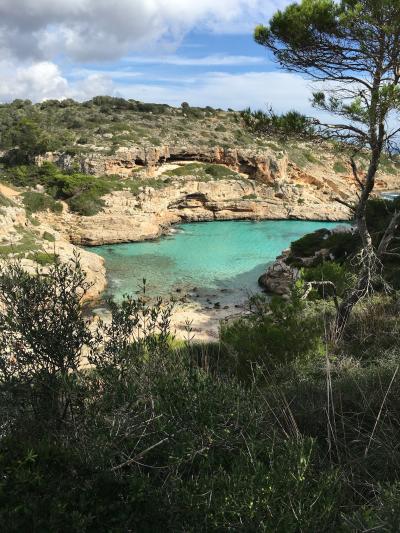
Cala Llombards
More Fotos