What architectural styles are prominent in the historical buildings around Palma and the Tramuntana?
Similar Topics
palma architecture
tramuntana buildings
gothic cathedral
mallorcan stone houses
modernisme palma
mediterranean courtyards
neoclassical influences
historic island architecture
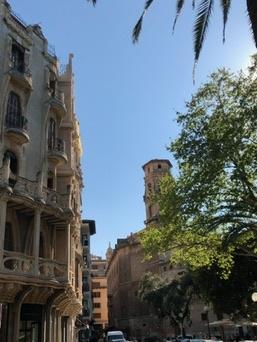
Taking a stroll through Palma’s Old Town or venturing into the mountain villages like Valldemossa and Deià, you’ll notice a fascinating interplay of architectural styles shaped by centuries of cultural exchange and local traditions. The island’s Gothic heritage is visible in landmarks such as Palma Cathedral, where soaring arches and detailed stonework reflect the majesty of medieval craftsmanship. Ancient Arab influences soften the lines in some rural houses, with simple courtyards and thick walls designed to keep interiors cool in the Mediterranean sun.
In towns like Sóller and Pollença, traditional Mallorcan architecture prevails, marked by rustic stone façades, wrought iron balconies, and shuttered windows. These buildings blend functionality with charm, often featuring colonnaded streets or inner courtyards where local life unfolds. You may also spot Modernisme touches in Palma, especially around the Passeig del Born, where earlier 20th-century influences introduce floral motifs and elegant ceramic details reminiscent of Catalan artistry.
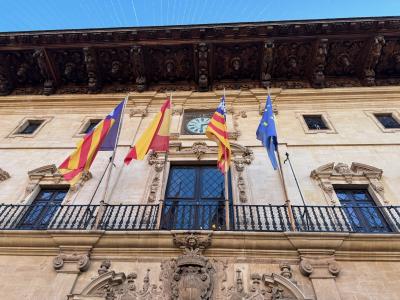
Venturing beyond the towns, the quiet fincas dotting the Serra de Tramuntana showcase vernacular styles with tiled roofs and thick stone walls that reflect centuries of agricultural life. Meanwhile, public buildings and luxury estates sometimes reveal Neoclassical influences, evident in symmetrical layouts and grand portals that point toward the island’s historical ties with Europe. Each place offers a narrative told in stone, wood, and iron, revealing layers of history that enrich any visit.
In towns like Sóller and Pollença, traditional Mallorcan architecture prevails, marked by rustic stone façades, wrought iron balconies, and shuttered windows. These buildings blend functionality with charm, often featuring colonnaded streets or inner courtyards where local life unfolds. You may also spot Modernisme touches in Palma, especially around the Passeig del Born, where earlier 20th-century influences introduce floral motifs and elegant ceramic details reminiscent of Catalan artistry.
Venturing beyond the towns, the quiet fincas dotting the Serra de Tramuntana showcase vernacular styles with tiled roofs and thick stone walls that reflect centuries of agricultural life. Meanwhile, public buildings and luxury estates sometimes reveal Neoclassical influences, evident in symmetrical layouts and grand portals that point toward the island’s historical ties with Europe. Each place offers a narrative told in stone, wood, and iron, revealing layers of history that enrich any visit.
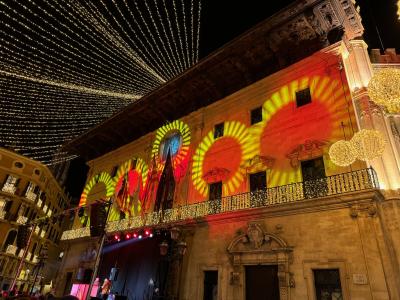
Palma
More Fotos