How do residents on Mallorca feel about the impact of quality tourism in their towns?
Similar Topics
quality tourism
local perception
balearic islands
serra de tramuntana
binissalem wine
es trenc beach
sustainable tourism
tib bus network
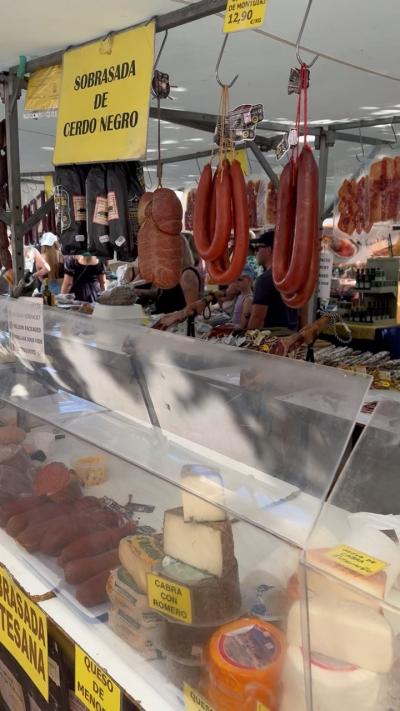
The Balearic Islands have long balanced the ebb and flow of visitors with preserving their distinct local character, and Mallorca is no different. In towns like Palma, Soller, and Pollenca, many residents recognize how the influx of thoughtful travelers supports local artisans, farmers, and restaurateurs. Quality tourism often means visitors seek out genuine experiences—sampling sobrassada at markets, enjoying a glass of Binissalem wine, or hiking the Serra de Tramuntana trails—which helps keep traditional crafts and customs alive. This kind of tourism can bring improvements too, such as better public transport links on the TIB bus network and enhancements along popular routes like the Ma-10 and Ma-19 roads, benefiting both visitors and locals alike.
Yet alongside these positives, some communities express caution. In hotspots like Es Trenc beach or popular villages such as Deia, increased visitor numbers sometimes cause traffic congestion and drive up the cost of renting or buying property. Longtime residents may worry that their towns risk losing authenticity under the pressure of commercialized tourism or becoming overwhelmed during major festivals like Nit de Foc. Conversations in cafes or around the markets often reflect a desire to protect the island’s heritage—its festivals, its cuisine like tumbet, and natural sights like Cala Mondrago—from being overshadowed by mass tourism.
The challenge lies in maintaining that delicate equilibrium. Many locals advocate sustainable tourism strategies, encouraging visitors to explore beyond the well-trodden paths, whether by taking the historic Soller railway or cycling quieter routes to Formentor. Open dialogue between residents, local authorities, and tourism operators is helping shape a future where quality tourism supports vibrant communities without eroding their unique identity.
Yet alongside these positives, some communities express caution. In hotspots like Es Trenc beach or popular villages such as Deia, increased visitor numbers sometimes cause traffic congestion and drive up the cost of renting or buying property. Longtime residents may worry that their towns risk losing authenticity under the pressure of commercialized tourism or becoming overwhelmed during major festivals like Nit de Foc. Conversations in cafes or around the markets often reflect a desire to protect the island’s heritage—its festivals, its cuisine like tumbet, and natural sights like Cala Mondrago—from being overshadowed by mass tourism.
The challenge lies in maintaining that delicate equilibrium. Many locals advocate sustainable tourism strategies, encouraging visitors to explore beyond the well-trodden paths, whether by taking the historic Soller railway or cycling quieter routes to Formentor. Open dialogue between residents, local authorities, and tourism operators is helping shape a future where quality tourism supports vibrant communities without eroding their unique identity.
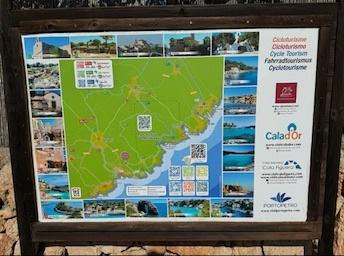
Cala Figuera
More Fotos



Related Questions
Related Question
Where can I find authentic arts and crafts markets that showcase local Mallorcan artisans?
Related Question
When is the best time of year to visit Mallorca for pleasant weather and fewer crowds?
Related Question
What kind of health insurance is accepted at private clinics in Mallorca?