Which historical landmarks and buildings are essential to visit while exploring the Tramuntana region?
Similar Topics
historic landmarks
soller train station
pollenca calvari
alcudia city walls
valldemossa monastery
tramuntana mountains
ma-10 road
festa de l'ametler
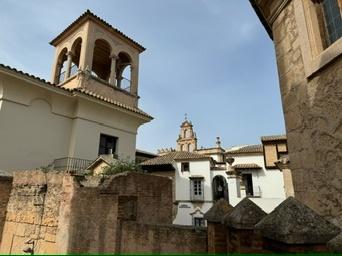
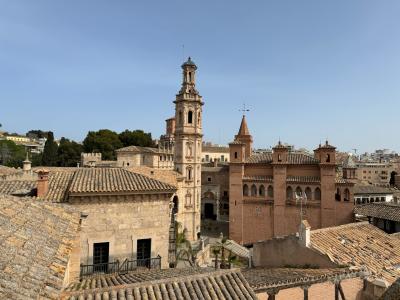
A detail easy to miss in the Tramuntana villages is the way centuries of history are etched into every stone and street corner. In Sóller, the modernist train station stands as a remarkable landmark, connecting the town to Palma via the charming vintage railway. The building itself is an architectural gem, its ornate façade recalling the island’s golden age of citrus exports. Nearby, the Baroque Church of Sant Bartomeu dominates the central plaza, its striking silhouette a constant reference point and a site of rich religious and cultural festivities.
Further north, in Pollença, the 18th-century Calvari steps reward visitors with stunning views over the old town and surrounding hills, blending spiritual heritage with natural beauty. Not far away in Alcúdia, the medieval city walls envelop a town frozen in time, where narrow cobbled streets lead to the Roman ruins of Pollentia, illustrating the layers of history that define the island. The archaeological site offers an intriguing window into the island’s Roman past.
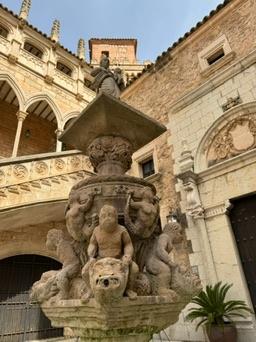
In Valldemossa, the former royal Carthusian Monastery is a must-see, famous not only for its architecture but also as the retreat of Chopin and George Sand in the 19th century. Each of these sites tells a story woven through time, enhanced by local cultural events like the Festa de l’Ametler in bloom or the vibrant Sant Sebastià celebrations in Palma. Traveling along the Ma-10, the island’s main scenic road, or hopping on the TIB network makes accessing these historic treasures an effortless and enriching experience.
Further north, in Pollença, the 18th-century Calvari steps reward visitors with stunning views over the old town and surrounding hills, blending spiritual heritage with natural beauty. Not far away in Alcúdia, the medieval city walls envelop a town frozen in time, where narrow cobbled streets lead to the Roman ruins of Pollentia, illustrating the layers of history that define the island. The archaeological site offers an intriguing window into the island’s Roman past.
In Valldemossa, the former royal Carthusian Monastery is a must-see, famous not only for its architecture but also as the retreat of Chopin and George Sand in the 19th century. Each of these sites tells a story woven through time, enhanced by local cultural events like the Festa de l’Ametler in bloom or the vibrant Sant Sebastià celebrations in Palma. Traveling along the Ma-10, the island’s main scenic road, or hopping on the TIB network makes accessing these historic treasures an effortless and enriching experience.
Sa Fonts Seca
More Fotos