Can I explore Mallorca’s ancient ruins on foot, or is a vehicle necessary?
Similar Topics
mallorca ruins
exploring ruins
pollentia
talaiots
tramuntana archaeology
ma-13 road
tib buses
alcudia ruins
In towns like Pollenca and Alcudia, where many of Mallorca’s archaeological sites are concentrated, wandering on foot often brings the past vividly to life. The Roman city of Pollentia, near Alcudia, has well-preserved remains accessible via clearly marked walking routes that allow you to take your time exploring the forum, theatre, and city walls. Strolling through these ruins gives you the chance to appreciate the craftsmanship and the surrounding countryside without the rush of a vehicle.
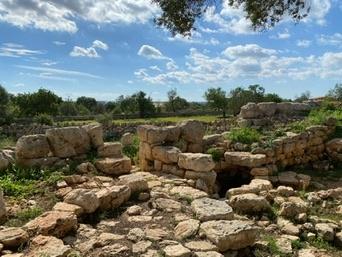
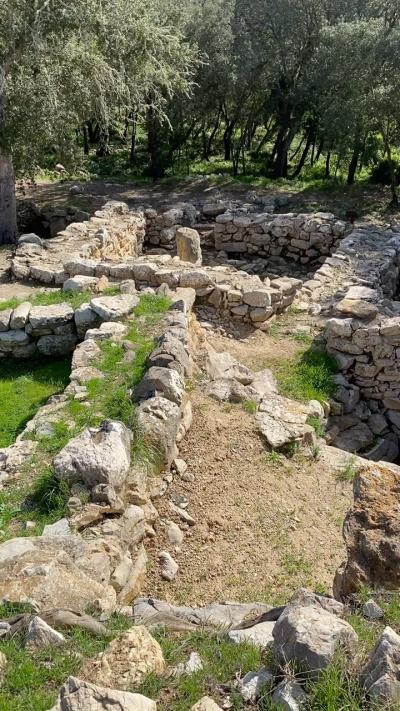
That said, some sites, particularly those dotted across the island’s rural interior or in the Serra de Tramuntana, such as the Talaiots near Capocorb Vell outside Manacor, are more spread out. Accessing these can be tricky without a car due to limited public transport links and the distances involved. The TIB bus network serves many areas but rarely stops directly at ruins, so a combination of walking from a nearby village and local buses or taxis might be needed.
For a fuller experience, consider combining walking tours within the ruins with drives or guided excursions across the island's archaeological landscape. Roads like the Ma-13 and Ma-19 connect many historic spots but leave plenty to explore on foot once you arrive. Whether tracing the contours of Roman walls or discovering hidden prehistoric megaliths, exploring by foot is the most intimate way to connect with the island’s deep history, especially in pedestrian-friendly spots like the old town of Palma or the cobbled streets of Valldemossa, where ancient ruins are integrated into charming village life.
That said, some sites, particularly those dotted across the island’s rural interior or in the Serra de Tramuntana, such as the Talaiots near Capocorb Vell outside Manacor, are more spread out. Accessing these can be tricky without a car due to limited public transport links and the distances involved. The TIB bus network serves many areas but rarely stops directly at ruins, so a combination of walking from a nearby village and local buses or taxis might be needed.
For a fuller experience, consider combining walking tours within the ruins with drives or guided excursions across the island's archaeological landscape. Roads like the Ma-13 and Ma-19 connect many historic spots but leave plenty to explore on foot once you arrive. Whether tracing the contours of Roman walls or discovering hidden prehistoric megaliths, exploring by foot is the most intimate way to connect with the island’s deep history, especially in pedestrian-friendly spots like the old town of Palma or the cobbled streets of Valldemossa, where ancient ruins are integrated into charming village life.
More Fotos