What unique architectural features can I find at the Cartuja de Valldemossa?
Similar Topics
Cartuja de Valldemossa
Mallorca architecture
Gothic Renaissance Baroque
Tramuntana mountains
Baroque altarpiece
monastic lifestyle
historic sites Mallorca
Chopin Valldemossa
architectural heritage
serene gardens
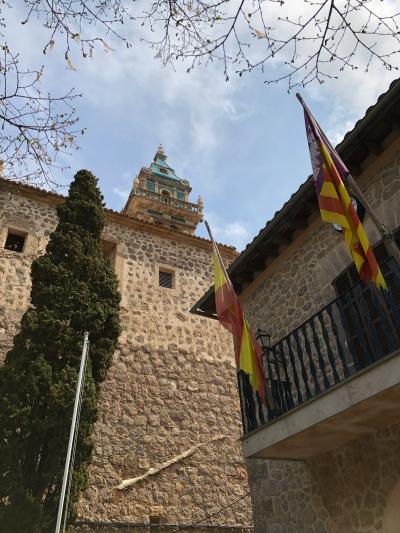
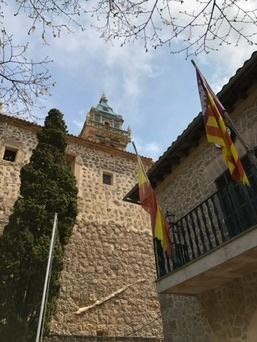
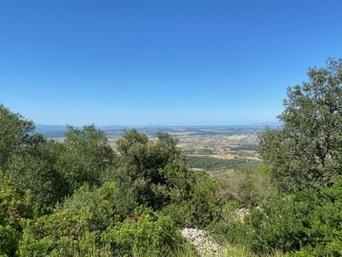
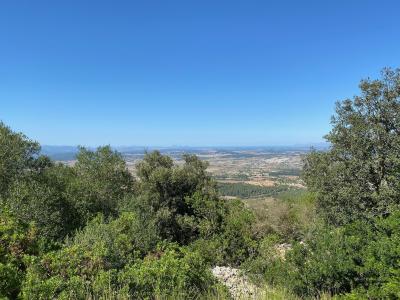
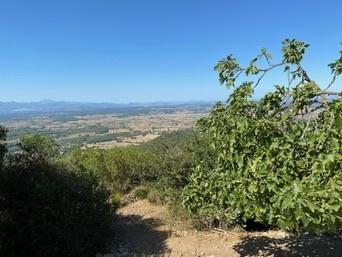
The Cartuja de Valldemossa, also known as the Charterhouse of Valldemossa, is a stunning example of the rich architectural heritage of Mallorca, blending Gothic, Renaissance, and Baroque styles. As you approach the monastery, the serene stone façade immediately captures the eye, characterized by its simple yet elegant lines and soft colors that harmonize beautifully with the surrounding landscape. The complex is nestled in the Tramuntana mountains, offering a picturesque backdrop that enhances its historical significance.
Once inside, visitors are greeted by the tranquil cloisters, where the intricate arches and columns create a peaceful atmosphere. The interiors are equally captivating; the church features a Baroque altarpiece that showcases exquisite craftsmanship, while the former monk cells reveal a more austere yet charming design, reflecting the monastic lifestyle that once thrived here. One of the most unique aspects of the Cartuja is the beautifully maintained gardens, which are terraced and filled with native plants, adding to the monastery's serene beauty.
The blend of various architectural styles at the Cartuja de Valldemossa tells a story of its evolution over centuries, from its founding in the 14th century to the various renovations and additions made by different monks and artists. Notably, the cell where composer Frédéric Chopin lived during his stay adds a layer of cultural significance, making the site not just an architectural marvel but also a place steeped in artistic history. This combination of stunning architecture and rich heritage makes the Cartuja de Valldemossa a must-visit destination for anyone interested in the intricate interplay of history, art, and nature.
Once inside, visitors are greeted by the tranquil cloisters, where the intricate arches and columns create a peaceful atmosphere. The interiors are equally captivating; the church features a Baroque altarpiece that showcases exquisite craftsmanship, while the former monk cells reveal a more austere yet charming design, reflecting the monastic lifestyle that once thrived here. One of the most unique aspects of the Cartuja is the beautifully maintained gardens, which are terraced and filled with native plants, adding to the monastery's serene beauty.
The blend of various architectural styles at the Cartuja de Valldemossa tells a story of its evolution over centuries, from its founding in the 14th century to the various renovations and additions made by different monks and artists. Notably, the cell where composer Frédéric Chopin lived during his stay adds a layer of cultural significance, making the site not just an architectural marvel but also a place steeped in artistic history. This combination of stunning architecture and rich heritage makes the Cartuja de Valldemossa a must-visit destination for anyone interested in the intricate interplay of history, art, and nature.

Valldemossa
More Fotos