What is tumbet, and why is it a beloved dish in Mallorca?
Similar Topics
tumbet dish
mallorca food
sobrassada
binissalem wine
cala mondrago
valldemossa cuisine
hierbas liqueur
mallorca vegetables
The earthy aroma of roasted red peppers mingles with the slightly sweet scent of caramelized onions and the rich olive oil that defines this classic Mallorcan dish. Tumbet is a vibrant vegetable bake layering fried potatoes, aubergines, and red peppers, all topped with a thick, garlicky tomato sauce. It’s a simple yet deeply satisfying dish that captures the rustic essence of the island’s countryside kitchens.
Rooted in the agricultural traditions of places like Sóller and Alaró, tumbet showcases local produce at its best, often accompanied by sobrassada or fresh fish. The name itself hints at its humble character, believed to come from the Catalan word meaning “to tumble,” referring to how the ingredients are piled together. It’s not just a summer staple for many families but also a beloved comfort food throughout the year, pairing beautifully with a glass of Binissalem wine or a refreshing Hierbas liqueur.
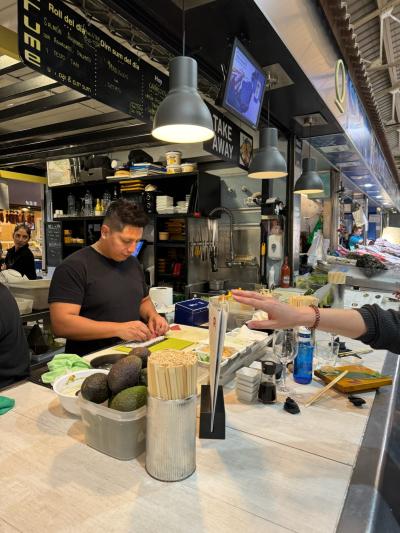
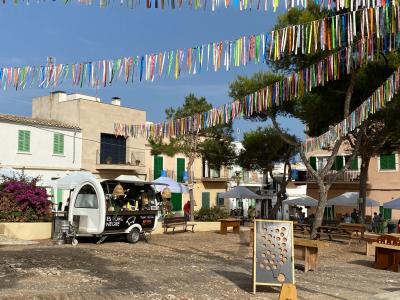
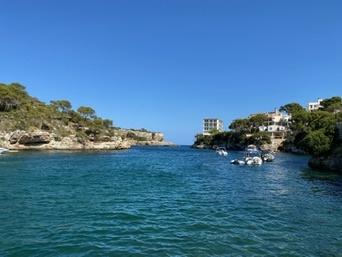
Enjoying tumbet in a village like Valldemossa or Deia offers more than just food; it’s a connection to Mallorca’s rural heritage and the slower pace of life for which the island is renowned. Whether served in a seaside eatery near Cala Mondragó or a market stall in Palma, this dish is a colourful, hearty expression of local culture and simple, authentic flavours.
Rooted in the agricultural traditions of places like Sóller and Alaró, tumbet showcases local produce at its best, often accompanied by sobrassada or fresh fish. The name itself hints at its humble character, believed to come from the Catalan word meaning “to tumble,” referring to how the ingredients are piled together. It’s not just a summer staple for many families but also a beloved comfort food throughout the year, pairing beautifully with a glass of Binissalem wine or a refreshing Hierbas liqueur.
Enjoying tumbet in a village like Valldemossa or Deia offers more than just food; it’s a connection to Mallorca’s rural heritage and the slower pace of life for which the island is renowned. Whether served in a seaside eatery near Cala Mondragó or a market stall in Palma, this dish is a colourful, hearty expression of local culture and simple, authentic flavours.
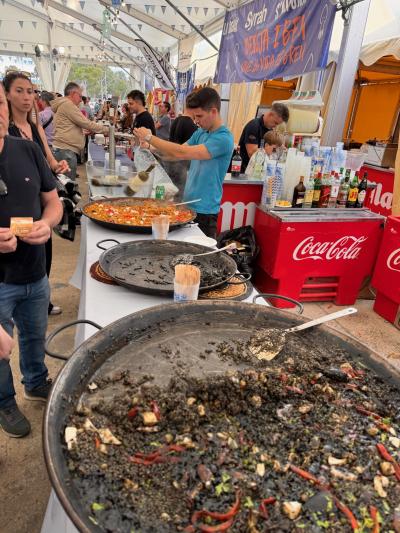
Alcanada
More Fotos

Related Questions
Related Question
Which artists' works can I see in the Museu Fundación Juan March in Palma?
Related Question
When do restaurants in Palma and surrounding towns usually start serving dinner?
Related Question
Which areas on the island offer more budget-friendly hotel options without missing out on local character?