How has the landscape of the Serra de Tramuntana been shaped and preserved over time?
Similar Topics
serra de tramuntana
landscape preservation
dry stone terraces
ma-10 road
valldemossa
rural farming
erosion control
unesco heritage
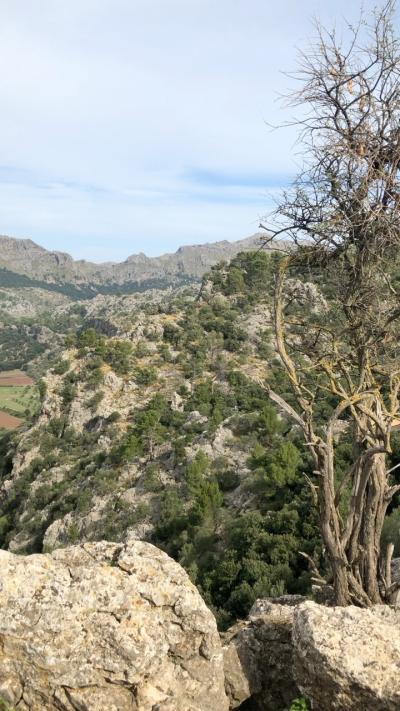
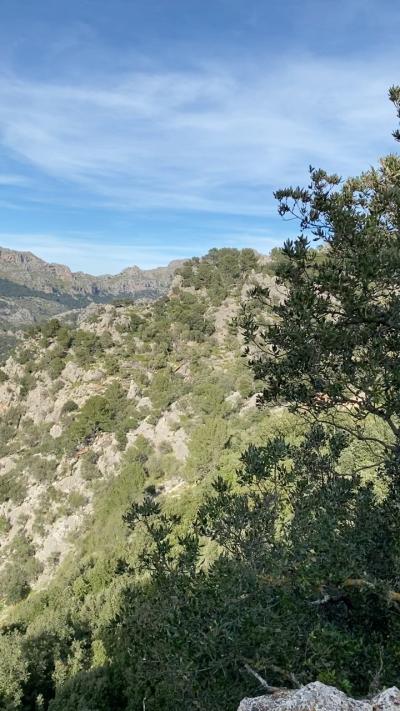
The rugged terrain of the Serra de Tramuntana tells a story of ancient geological forces and centuries of human interaction. This mountain range, stretching along the northwestern coast of the island, features dramatic limestone cliffs, terraced valleys, and deep ravines carved by millennia of rain and wind. Erosion has sculpted its peaks and valleys, while the Ma-10 road meanders through, allowing travelers to witness the interplay of natural weathering and human ingenuity.
Agriculture has left a visible mark here with carefully maintained dry stone terraces that prevent soil erosion and showcase a sustainable relationship with the land. Small villages like Valldemossa and Deià nestle in the folds of the hills, where traditional stone houses blend with the landscape. These settlements have historically relied on olive groves, almond trees, and vineyards, their cultivation shaping the relief without overwhelming it.
Conservation efforts have preserved much of the Tramuntana's character, especially after its designation as a UNESCO World Heritage Site. Restrictions on large-scale developments and initiatives to maintain the traditional farming practices help safeguard the contours and biodiversity. Visitors today can enjoy this preserved relief through hiking trails that offer panoramic views of the coast, village landscapes, and terraced mountainsides, providing a glimpse into a landscape where nature and human stewardship have long coexisted.
Agriculture has left a visible mark here with carefully maintained dry stone terraces that prevent soil erosion and showcase a sustainable relationship with the land. Small villages like Valldemossa and Deià nestle in the folds of the hills, where traditional stone houses blend with the landscape. These settlements have historically relied on olive groves, almond trees, and vineyards, their cultivation shaping the relief without overwhelming it.
Conservation efforts have preserved much of the Tramuntana's character, especially after its designation as a UNESCO World Heritage Site. Restrictions on large-scale developments and initiatives to maintain the traditional farming practices help safeguard the contours and biodiversity. Visitors today can enjoy this preserved relief through hiking trails that offer panoramic views of the coast, village landscapes, and terraced mountainsides, providing a glimpse into a landscape where nature and human stewardship have long coexisted.

Sa Calobra
More Fotos