When is the best time to visit Mallorca’s natural and cultural sites for the most striking scenery?
- Serra de tramuntana
- Ma-10 road
- Es trenc beach
- Sant sebastia festival
- Binissalem wine
- Ensaimada pastry
- Cala mondrago
- Pollenca
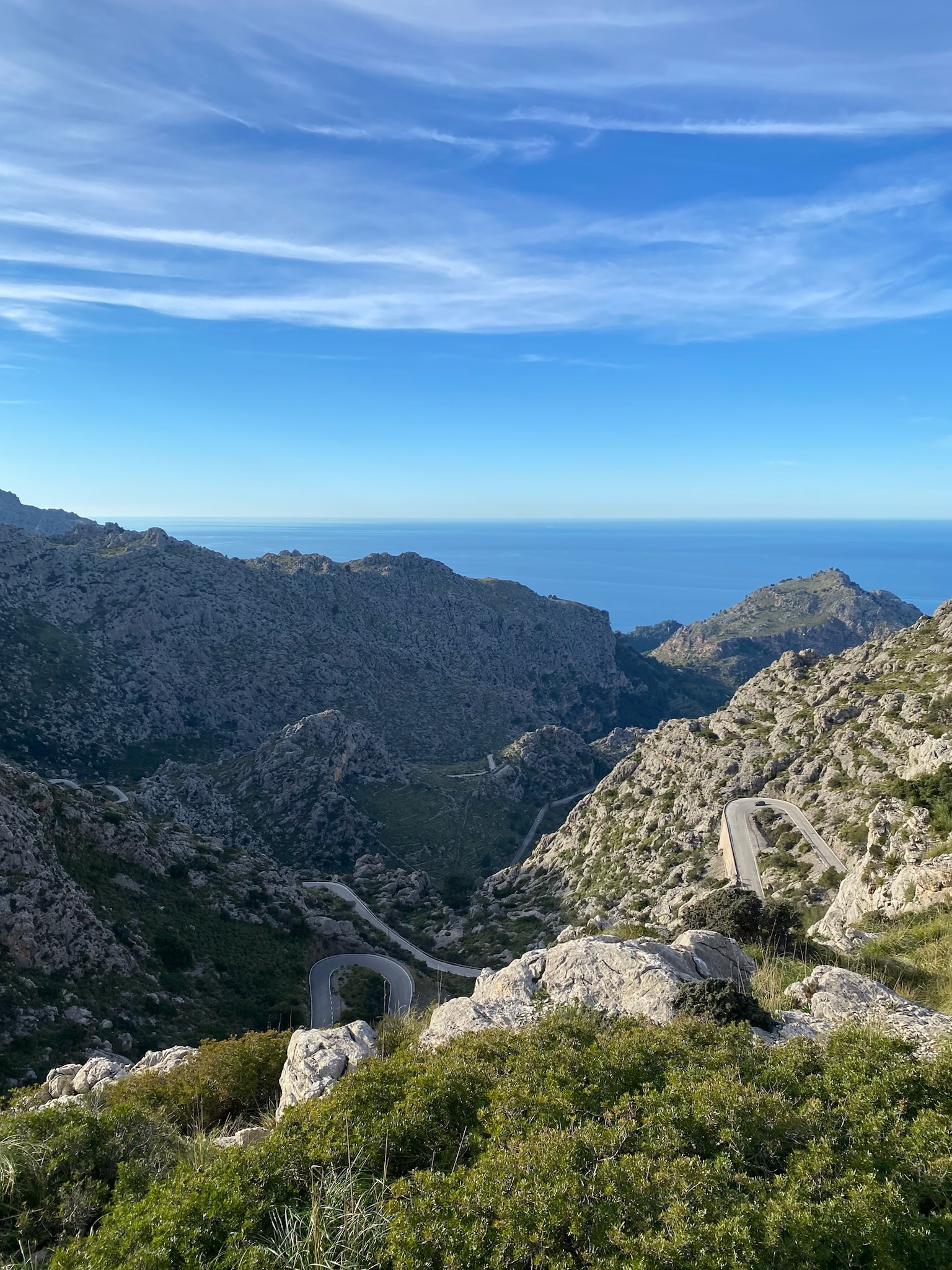
Winding through the Serra de Tramuntana in spring reveals the island’s wildflowers bursting into bloom along the Ma-10, painting the rugged landscape with vivid purples, yellows, and reds. Olive groves in Valldemossa and almond trees near Pollenca blossom during this time, creating a patchwork that enchants hikers and cyclists alike. The mild temperatures make exploring the coastal coves like Cala Mondrago or the sandy stretches of Es Trenc particularly pleasant before the summer crowds arrive.
Summer transforms Palma’s vibrant streets and picturesque beach towns like Port de Soller into lively hubs of culture and festivity. The scent of pine and the salt air mingle as locals and visitors enjoy late sunsets by Formentor’s turquoise waters. Traditional festivals such as Sant Sebastià bring music and joy, while the ensaimada pastries and refreshing Hierbas provide delicious ways to experience Mallorcan culinary heritage. However, this season does bring more tourists, so early morning excursions or visits to lesser-known spots like Cala Llombards can offer a quieter experience.
Autumn is when the vineyards around Binissalem glow in warm colors, and the harvest imbues the island with a festive spirit, perfect for savoring local wines and tasting sobrassada under cooler skies. The Tramuntana mountains also display a golden hue as the light softens, making drives along the Ma-13 or hikes near Deia particularly atmospheric. This season balances vibrant cultural events with calm landscapes, ideal for those seeking a reflective pace. Winter on the island, especially in towns like Manacor and Alcudia, is quieter but no less charming, with crisp days inviting visitors to explore rural markets or sample traditional tumbet stew in cozy village restaurants.