What is the history of olive oil production in Mallorca?
Similar Topics
Mallorca olive oil
history of olive oil
olive oil production Mallorca
Mediterranean agriculture
Mallorca cultural heritage
traditional farming methods
Moorish influence Mallorca
sustainable olive oil
olive groves Mallorca
Mallorcan cuisine
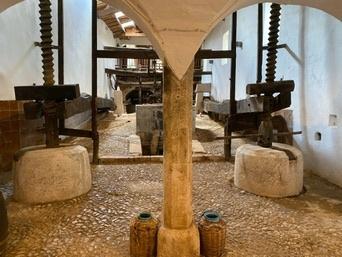
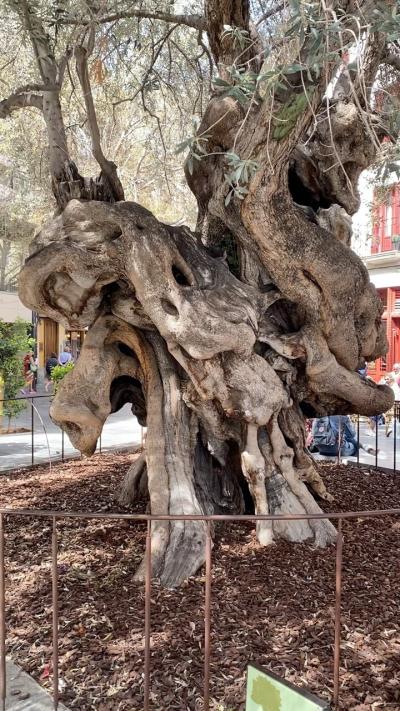
The history of olive oil production in Mallorca is deeply intertwined with the island's agricultural traditions and cultural heritage. Olive trees were introduced to the island by the Phoenicians around the 8th century BC, and since then, they have flourished in Mallorca's Mediterranean climate. The fertile soil and ideal weather conditions provided a perfect backdrop for olive cultivation, leading to the establishment of numerous groves across the island. Over the centuries, olive oil became a fundamental part of the local economy and diet, with production methods evolving from rudimentary techniques to more sophisticated processes.
During the Middle Ages, Mallorca became a significant player in the olive oil trade, particularly under the rule of the Moors, who refined the production methods and introduced new varieties of olives. Their influence can still be seen today in the island's traditional practices and the types of olives grown. The resulting oil was not just a culinary staple; it also served medicinal purposes and was used in religious rituals. As the centuries progressed, the production of olive oil became more commercialized, and by the 19th century, Mallorca was exporting its high-quality olive oil to various parts of Europe.
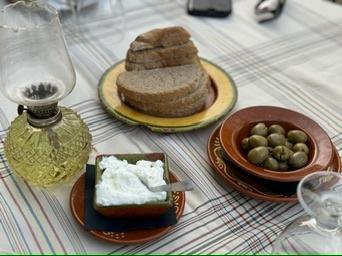
In recent years, the revival of interest in traditional farming methods and organic production has led to a renewed appreciation for Mallorcan olive oil. Many local producers focus on sustainable practices, ensuring that the rich heritage of olive oil production continues to thrive. Visitors to the island can explore numerous olive groves, partake in tastings, and learn about the traditional methods still used today. This connection to the land not only offers a taste of the island's history but also enriches the experience of those looking to understand the true essence of Mallorca.
During the Middle Ages, Mallorca became a significant player in the olive oil trade, particularly under the rule of the Moors, who refined the production methods and introduced new varieties of olives. Their influence can still be seen today in the island's traditional practices and the types of olives grown. The resulting oil was not just a culinary staple; it also served medicinal purposes and was used in religious rituals. As the centuries progressed, the production of olive oil became more commercialized, and by the 19th century, Mallorca was exporting its high-quality olive oil to various parts of Europe.
In recent years, the revival of interest in traditional farming methods and organic production has led to a renewed appreciation for Mallorcan olive oil. Many local producers focus on sustainable practices, ensuring that the rich heritage of olive oil production continues to thrive. Visitors to the island can explore numerous olive groves, partake in tastings, and learn about the traditional methods still used today. This connection to the land not only offers a taste of the island's history but also enriches the experience of those looking to understand the true essence of Mallorca.

Caimari
More Fotos