What are the traditional materials used in constructing buildings on Mallorca?
- Mallorca architecture
- Local stone
- Wooden beams
- Tramuntana buildings
- Historic construction
- Teracotta roofs
- Palma architecture
- Rural farmhouses
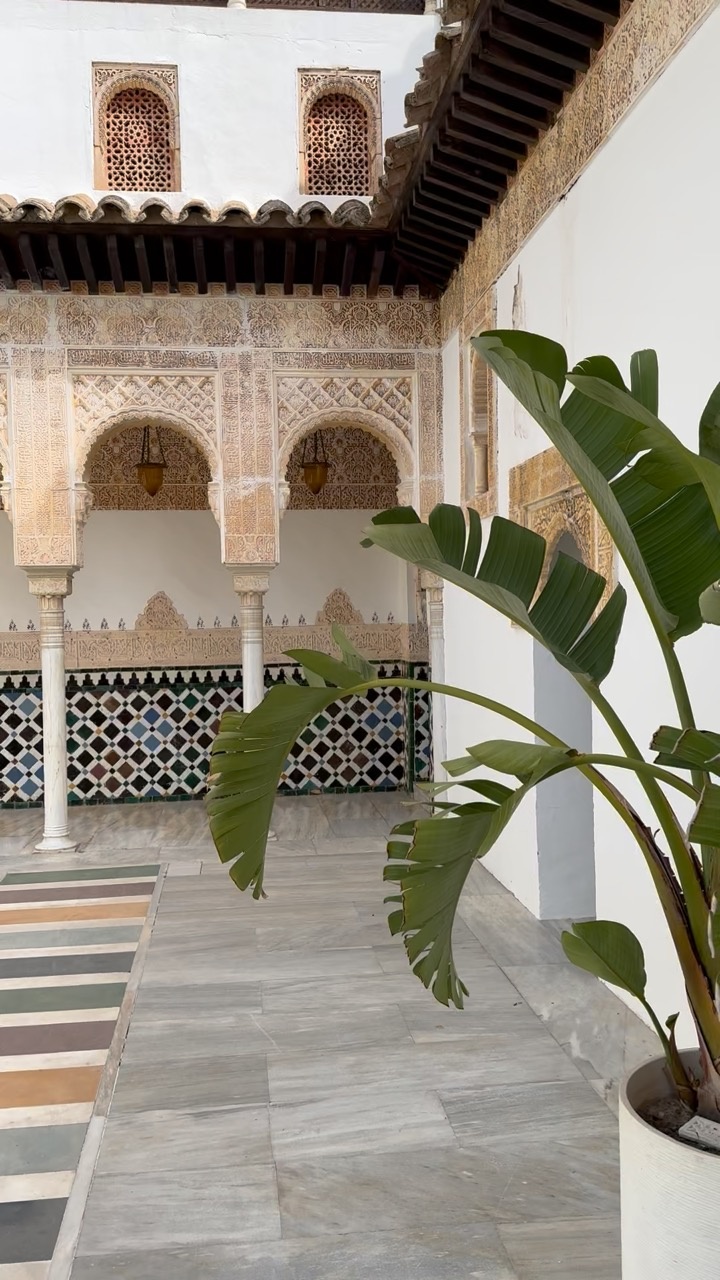
Stone quarried from the island’s own hills and coastlines forms the backbone of much traditional construction here. This local limestone and sandstone, often left exposed or roughly dressed, lends a robust and harmonious quality to the villages of Valldemossa, Deia, and Pollenca. Its warm, pale hues blend seamlessly with the Serra de Tramuntana’s rugged landscape, while thick walls provide natural insulation against summer heat and winter chill.
Wood also plays a key role, particularly in framing, shutters, and classic pergolas seen around Palma and Soller. The sturdy pine or chestnut beams support terracotta-tiled roofs and create inviting interiors that evoke the rural charm of island farmhouses. The interplay of stone and wood reflects centuries of building knowledge, carefully adapted to local resources and climate.
More recent architecture around major towns and new developments often incorporates concrete and steel, allowing designers to create airy, modern spaces with large windows overlooking the Mediterranean. Yet, even contemporary buildings frequently pay homage to tradition by echoing the island’s signature materials. This blend keeps Mallorca’s architecture rooted in its heritage while allowing for fresh innovation, giving visitors a rich tapestry of styles to admire along the Ma-13 highway or within Palma’s historic center.