What role did the Catholic Church play in shaping Mallorca's cultural identity post-reconquest?
Similar Topics
Catholic Church Mallorca
Mallorca cultural identity
La Seu Palma
Mallorca history
reconquest of Mallorca
Mallorca traditions
religious festivals Mallorca
Mallorca architecture
Catholic influence Mallorca
Mallorca economic development
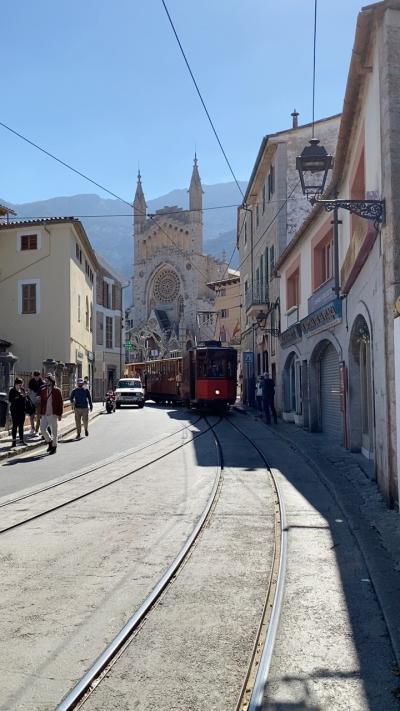
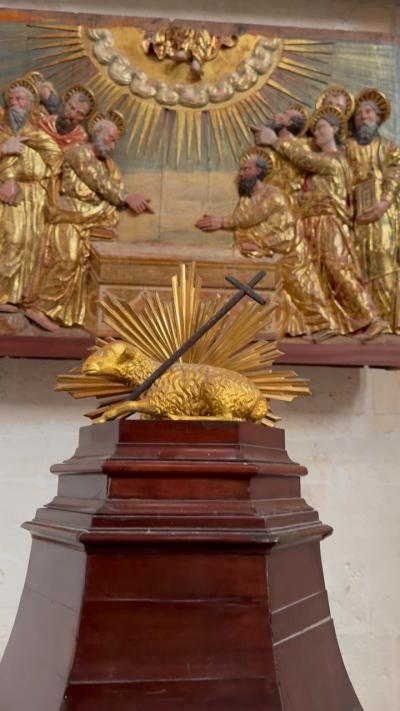
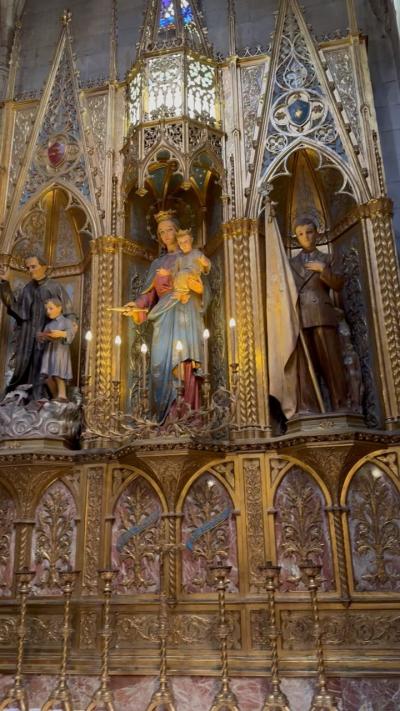
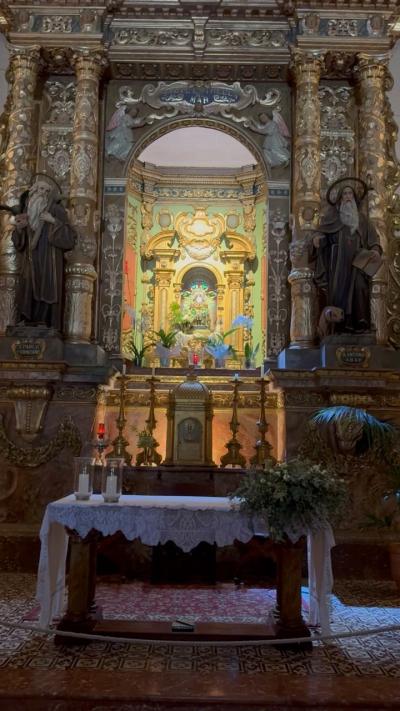
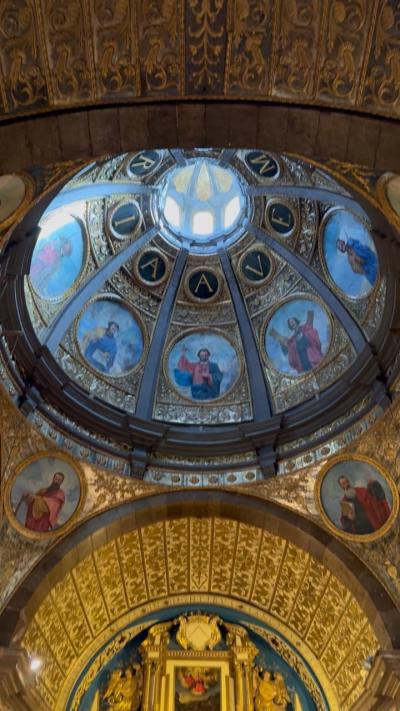
The Catholic Church played a pivotal role in shaping Mallorca's cultural identity following the reconquest in 1229, when King James I of Aragon captured the island from Muslim rule. This marked a significant turning point, as the Church became a cornerstone of the social, political, and cultural life of Mallorca. Churches and monasteries were established across the island, not only serving as places of worship but also as centers of education and community. The construction of monumental cathedrals, such as the stunning La Seu in Palma, showcased the architectural prowess of the time and became symbols of the island's Christian identity, influencing local art and culture for centuries.
Furthermore, the Catholic Church actively fostered a sense of unity and stability among the population during a time of transition. It helped to integrate various cultural influences from both the Christian and Muslim periods into a new Mallorcan identity. Festivals, religious processions, and traditions rooted in Catholicism became integral to the island’s cultural fabric, enriching the local customs and fostering a strong sense of community. The Church’s influence extended into the realms of music and literature, inspiring local artists and writers, and shaping a distinct Mallorcan vernacular that blended religious themes with everyday life.
In addition to its spiritual guidance, the Catholic Church contributed to the economic development of Mallorca through its landholdings and agricultural practices. Monasteries often served as centers of agricultural innovation, leading to improved farming techniques that benefitted the local economy. This, in turn, allowed for the flourishing of trade and commerce, further embedding the Church into the daily lives of the Mallorcan people. Overall, the Catholic Church not only provided spiritual direction but also played a crucial role in the island's social cohesion and cultural evolution, leaving a lasting legacy that can still be felt in Mallorca today.
Furthermore, the Catholic Church actively fostered a sense of unity and stability among the population during a time of transition. It helped to integrate various cultural influences from both the Christian and Muslim periods into a new Mallorcan identity. Festivals, religious processions, and traditions rooted in Catholicism became integral to the island’s cultural fabric, enriching the local customs and fostering a strong sense of community. The Church’s influence extended into the realms of music and literature, inspiring local artists and writers, and shaping a distinct Mallorcan vernacular that blended religious themes with everyday life.
In addition to its spiritual guidance, the Catholic Church contributed to the economic development of Mallorca through its landholdings and agricultural practices. Monasteries often served as centers of agricultural innovation, leading to improved farming techniques that benefitted the local economy. This, in turn, allowed for the flourishing of trade and commerce, further embedding the Church into the daily lives of the Mallorcan people. Overall, the Catholic Church not only provided spiritual direction but also played a crucial role in the island's social cohesion and cultural evolution, leaving a lasting legacy that can still be felt in Mallorca today.
More Fotos