How can I communicate with locals in Mallorca if I don't speak Spanish or Catalan?
- Mallorca communication
- Mallorca language tips
- Spanish phrases mallorca
- Catalan basics
- Travel language mallorca
- Communicating with locals
- Translation apps mallorca
- Mallorca local customs
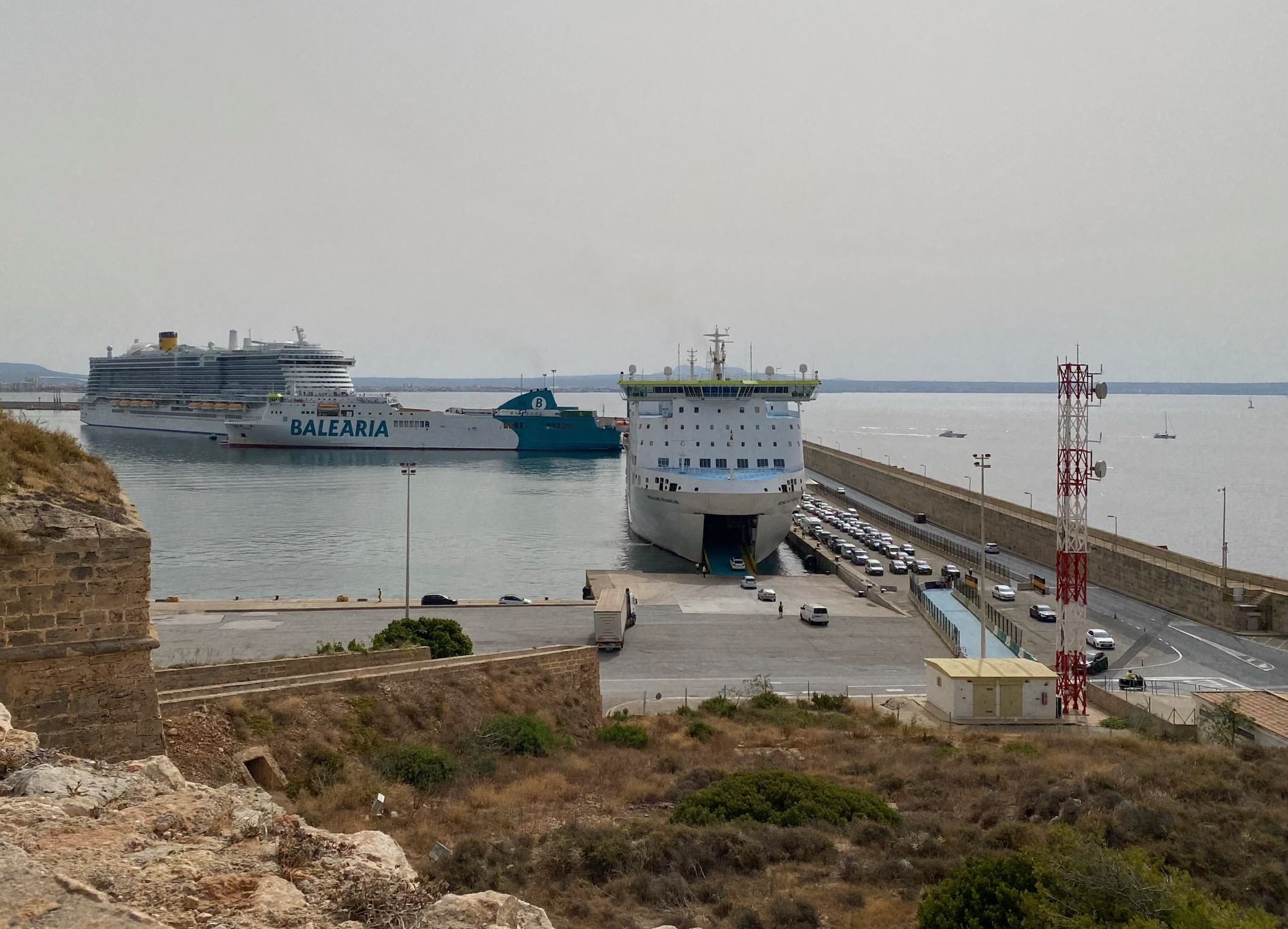
Getting around towns like Palma, Sóller, or Alcúdia and engaging with locals can feel less daunting with a bit of preparation. While Spanish and Catalan are the island’s main languages, many people working in tourism and hospitality understand at least basic English, especially in popular spots and during peak season. However, outside the main tourist hubs and in smaller villages like Valldemossa or Deià, English proficiency may be more limited. Approaching conversations with a smile and patience goes a long way here.
Mastering a few key phrases in Spanish or Mallorquí (the local Catalan dialect) can open doors and signal respect. Simple greetings like “Bon dia” (good morning), “Gràcies” (thank you), or “Per favor” (please) are often warmly appreciated in local markets or when ordering specialties like *pa amb oli* or *sobrassada*. Using gestures, facial expressions, and pointing — for example, when ordering food or asking directions on the winding Ma-10 or Ma-13 roads — can quickly clear up misunderstandings.
Translation apps are handy, especially when exploring more remote beaches like Cala Mondragó or Formentor; these can help translate menus, signs, or conversations on the fly. Some shops and restaurants also provide menus with pictures. Additionally, keeping a small notebook to jot down phrases or draw can be surprisingly effective, particularly when chatting with artisanal vendors or at local festivals such as the Nit de Foc in Palma. Above all, a friendly, open attitude combined with a willingness to listen and learn ensures rich and authentic interactions far beyond simple words.