How do restaurants around Palma integrate local seasonal ingredients into their menus?
Similar Topics
seasonal ingredients
palma restaurants
binissalem wine
local produce
tumbet
sobrassada
festa de lametler
tramuntana
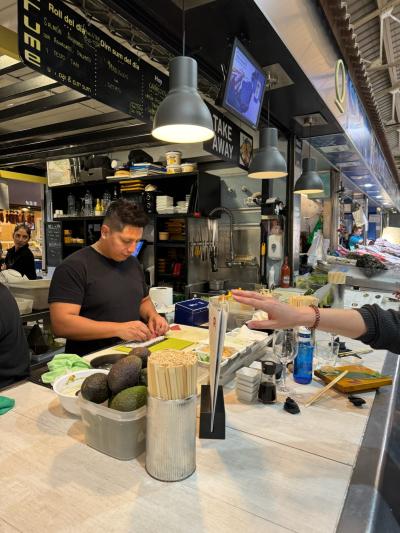
In villages like Valldemossa and towns around Palma, many eateries craft their menus around the island’s changing seasons, taking full advantage of the local harvests. As spring unfolds, fresh peas, artichokes, and wild asparagus often star in traditional dishes like tumbet or a refined pa amb oli. By summer, ripe tomatoes, zucchini, and fava beans are used in vibrant salads and lighter fare, reflecting the Mediterranean palate. Autumn brings the arrival of hearty root vegetables and nuts, inspiring rich stews and comforting dishes that echo the cooler weather under the Tramuntana mountains.
Chefs here collaborate closely with Binissalem wineries and farmers across the Ma-19 and Ma-13 routes, sourcing sobrassada, organic vegetables, and freshly caught seafood from Port de Sóller and Alcudia markets. This interplay with local producers means menus often shift to celebrate freshly harvested almonds during the Festa de l'Ametler or incorporate wild herbs used in Hierbas and Palo, familiar Balearic spirits. Tasting menus featuring seasonal produce occasionally accompany local festivals, giving diners a true sense of the island’s agricultural rhythm and the cultural significance behind each ingredient.
The commitment to seasonality is balanced with a respect for classic flavors, blending centuries-old recipes with modern culinary techniques. Whether sampling seafood from Formentor’s coves or heirloom vegetables cultivated near Pollenca, guests experience dishes that are deeply rooted in place and time. This approach offers not just a meal but a connection to Mallorca’s landscape and traditions through the freshest, most vibrant flavors each season has to offer.
Chefs here collaborate closely with Binissalem wineries and farmers across the Ma-19 and Ma-13 routes, sourcing sobrassada, organic vegetables, and freshly caught seafood from Port de Sóller and Alcudia markets. This interplay with local producers means menus often shift to celebrate freshly harvested almonds during the Festa de l'Ametler or incorporate wild herbs used in Hierbas and Palo, familiar Balearic spirits. Tasting menus featuring seasonal produce occasionally accompany local festivals, giving diners a true sense of the island’s agricultural rhythm and the cultural significance behind each ingredient.
The commitment to seasonality is balanced with a respect for classic flavors, blending centuries-old recipes with modern culinary techniques. Whether sampling seafood from Formentor’s coves or heirloom vegetables cultivated near Pollenca, guests experience dishes that are deeply rooted in place and time. This approach offers not just a meal but a connection to Mallorca’s landscape and traditions through the freshest, most vibrant flavors each season has to offer.

Deià
More Fotos



Related Questions
Related Question
Are there any lesser-known tapas bars or hidden culinary gems worth visiting around Palma and the Tramuntana?
Related Question
Are there any cultural or historical sites to explore along hiking trails in the Serra de Tramuntana?
Related Question
What are some great places to eat or have coffee close to Palma’s main shopping areas?