Can you tell me about the influence of Spanish architecture on Palma's cultural heritage?
Similar Topics
Palma architecture
Spanish architectural influence
La Seu Cathedral
Gothic structures Palma
Moorish architecture Mallorca
historical significance Palma
Almudaina Palace
Renaissance Baroque styles
Mallorcan stonework
cultural heritage Mallorca
Palma, the vibrant capital of Mallorca, showcases a rich tapestry of Spanish architecture that reflects its diverse cultural heritage. The influence of Spanish styles is most prominently seen in the stunning Gothic structures that grace the city, most notably the majestic La Seu Cathedral. This iconic building, with its intricate façade and towering spires, not only serves as a religious center but also as a symbol of Palma's historical significance. The cathedral's construction began in the 13th century, and over the years, it has incorporated elements from various architectural movements, including Renaissance and Baroque, highlighting the layers of cultural influence that have shaped the city.
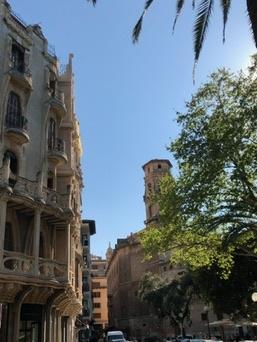
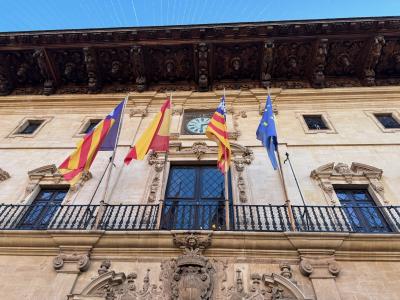
Walking through Palma’s old town, you can observe the blend of Moorish, Gothic, and later Baroque styles, which tell the story of the island's complex past. The narrow, winding streets are lined with charming buildings that feature ornate balconies, wrought-iron details, and traditional Mallorcan stonework, all of which reflect the island's adaptation of Spanish architectural norms. The Almudaina Palace, originally a Moorish fort, is another prime example, showcasing the evolution of architecture in Palma as it transitioned from Islamic to Christian rule, embodying the cultural shifts over centuries.
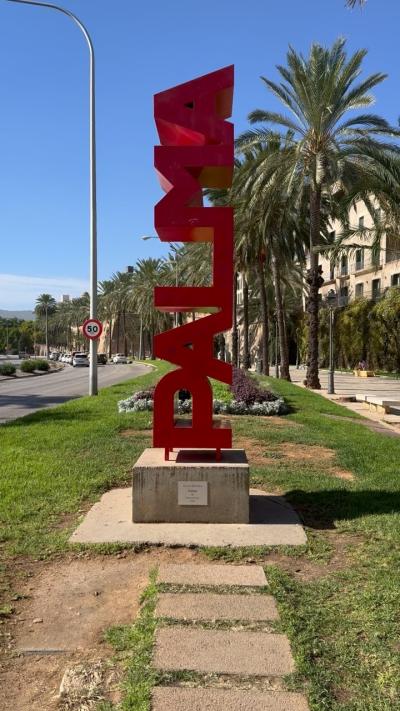
Moreover, the influence of Spanish architecture extends beyond historic structures; it is also evident in contemporary designs that respect and incorporate traditional elements. Many modern buildings in Palma pay homage to the classic styles, ensuring that the city's architectural identity remains vibrant and cohesive. The interplay between old and new can be seen in various cultural hubs, galleries, and public spaces, where architectural heritage is celebrated and preserved. This unique blend of influences not only enhances Palma's aesthetic appeal but also enriches its cultural narrative, making the city a fascinating destination for those interested in history and architecture.
Walking through Palma’s old town, you can observe the blend of Moorish, Gothic, and later Baroque styles, which tell the story of the island's complex past. The narrow, winding streets are lined with charming buildings that feature ornate balconies, wrought-iron details, and traditional Mallorcan stonework, all of which reflect the island's adaptation of Spanish architectural norms. The Almudaina Palace, originally a Moorish fort, is another prime example, showcasing the evolution of architecture in Palma as it transitioned from Islamic to Christian rule, embodying the cultural shifts over centuries.
Moreover, the influence of Spanish architecture extends beyond historic structures; it is also evident in contemporary designs that respect and incorporate traditional elements. Many modern buildings in Palma pay homage to the classic styles, ensuring that the city's architectural identity remains vibrant and cohesive. The interplay between old and new can be seen in various cultural hubs, galleries, and public spaces, where architectural heritage is celebrated and preserved. This unique blend of influences not only enhances Palma's aesthetic appeal but also enriches its cultural narrative, making the city a fascinating destination for those interested in history and architecture.
Palma
More Fotos