What conservation measures protect Mallorca's natural habitats like the Serra de Tramuntana and coastal reserves?
Similar Topics
serra de tramuntana
mallorca conservation
natural parks mallorca
es trenc reserve
mallorca biodiversity
sustainable tourism
coastal protection
local farming practices
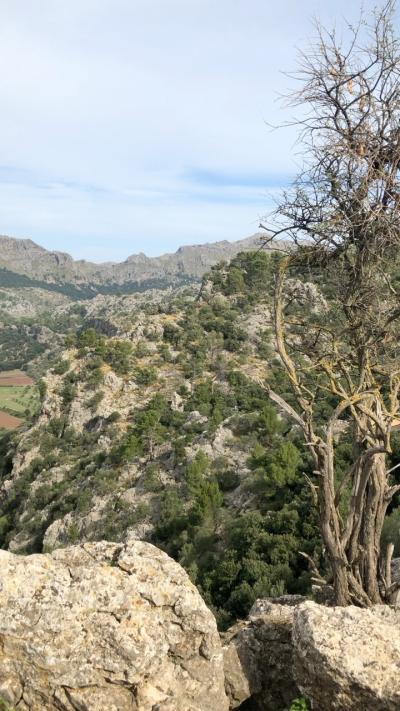
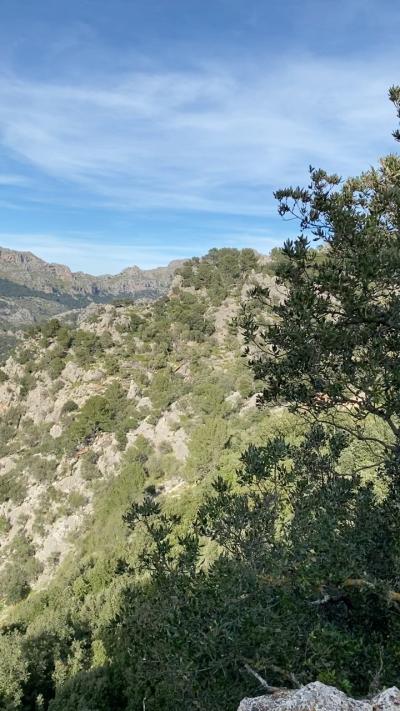
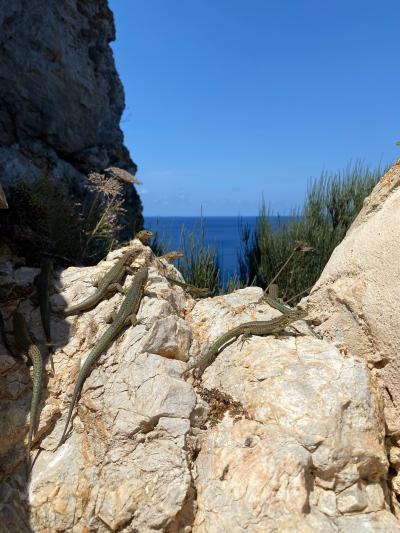
The dry stone walls threading through the Serra de Tramuntana hint at centuries of human care, an ongoing story of balance between people and nature here. Efforts to conserve Mallorca's diverse landscapes focus on preserving this heritage alongside the island’s unique flora and fauna. Protected areas such as the Parc Natural de la Serra de Tramuntana safeguard rare species and maintain the region’s fragile soils against overdevelopment and intensive agriculture. Along the coast, sites like Es Trenc and Cala Mondragó benefit from status as natural parks or reserves, restricting construction and managing visitor impact to maintain pristine beaches and marine biodiversity.
Local authorities work closely with environmental groups, promoting responsible tourism and sustainable farming, especially encouraging traditional practices like olive cultivation and almond growing, which support biodiversity. Educational programs in towns like Pollensa or Valldemossa raise awareness about the importance of land stewardship, engaging both residents and visitors in protecting the island’s heritage. Scientific research also informs these efforts, with studies that monitor the effects of climate change on native species and habitats. By combining community involvement, regulation, and ongoing study, Mallorca is taking careful steps to sustain its unique ecosystems for generations to come.
Local authorities work closely with environmental groups, promoting responsible tourism and sustainable farming, especially encouraging traditional practices like olive cultivation and almond growing, which support biodiversity. Educational programs in towns like Pollensa or Valldemossa raise awareness about the importance of land stewardship, engaging both residents and visitors in protecting the island’s heritage. Scientific research also informs these efforts, with studies that monitor the effects of climate change on native species and habitats. By combining community involvement, regulation, and ongoing study, Mallorca is taking careful steps to sustain its unique ecosystems for generations to come.

Sa Calobra
More Fotos