How do accommodation options around Palma reflect Mallorcan culture and traditions?
Similar Topics
local culture
mallorcan cuisine
traditional architecture
binissalem wine
ensaimada
serra de tramuntana
sant sebastià festival
pa amb oli
Authenticity often shines through in places to stay around Palma, where traditional architecture and local customs shape the experience. Many hotels and rural fincas incorporate classic Mallorcan elements such as stone walls, wooden beams, and tiled floors, echoing the island’s rustic charm and history. In towns like Valldemossa and Deia, accommodations might showcase hand-painted ceramics or furnishings crafted by local artisans, giving visitors a genuine sense of place beyond the usual tourist trappings.
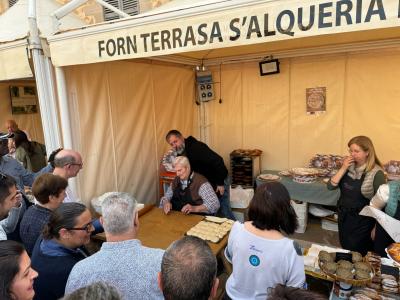
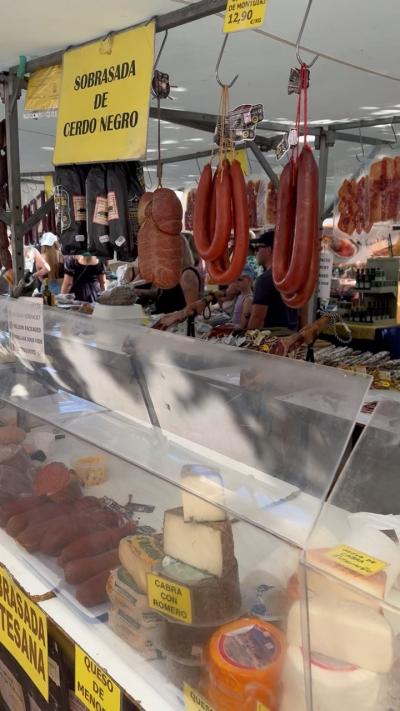
Culinary traditions also play a vital role in these settings. It’s common to find breakfast featuring ensaimadas from nearby bakeries or pa amb oli served with sobrassada and local olives. Some places go further by inviting guests to taste Binissalem wines or sip Hierbas, the herbal liqueur long cherished across the island. Cooking classes or seasonal tastings might be on offer too, deeper connecting guests with Mallorca’s food heritage.
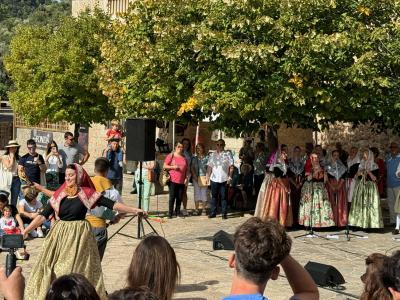
Cultural engagement often extends to events and workshops hosted on-site or nearby. Whether it’s a pottery demonstration in Pollenca, a traditional music evening during the Sant Sebastià festival in Palma, or guided walks through the Serra de Tramuntana highlighting local legends and flora, visitors gain immersive insights into island life. Embracing this local identity in design, cuisine, and activities means many accommodations here offer more than just a place to sleep—they provide a doorway into Mallorca’s vibrant culture and traditions.
Culinary traditions also play a vital role in these settings. It’s common to find breakfast featuring ensaimadas from nearby bakeries or pa amb oli served with sobrassada and local olives. Some places go further by inviting guests to taste Binissalem wines or sip Hierbas, the herbal liqueur long cherished across the island. Cooking classes or seasonal tastings might be on offer too, deeper connecting guests with Mallorca’s food heritage.
Cultural engagement often extends to events and workshops hosted on-site or nearby. Whether it’s a pottery demonstration in Pollenca, a traditional music evening during the Sant Sebastià festival in Palma, or guided walks through the Serra de Tramuntana highlighting local legends and flora, visitors gain immersive insights into island life. Embracing this local identity in design, cuisine, and activities means many accommodations here offer more than just a place to sleep—they provide a doorway into Mallorca’s vibrant culture and traditions.

Santanyí
More Fotos